The SPACE program advances empirical understanding of how communities, academics, and frontline defenders navigate shifting civic space, protection risks, and structural socio-political pressures across Myanmar, Thailand, and the broader region. The project is anchored by three core pillars, or “3C:”
1) Co-production of Knowledge (CPK),
2) Co-creation of inclusive spaces, and
3) capacity building.
These pillars are the basis for social change and a more democratic, inclusive, and resilient regional future.
Theoretically, the project helps facilitate indigenous peoples, local communities, civil society actors, and academic partners to collectively reimagine and redefine their shared spaces, values, and aspirations, laying principles of social justice, equity, and inclusive development.
The project takes a two-fold approach, (re)generating knowledge and action while tackling structural challenges such as authoritarianism, restricted civic freedoms, extractive environmental and economic policies, fragmented governance, legal precarity, militarism, and constrained humanitarian access. This is achieved through interconnected activities: facilitating inclusive dialogue platforms and spaces, both physical and digital, strengthening local capacities, fostering community-centric initiatives, and co-producing knowledge with local knowledge holders and frontline defenders. The project implement these interventions in several key thematic areas, including civic space, environmental justice, local governance, social and legal protection, and the development of robust humanitarian models.
Methodologically, the project integrates research, rights-based advocacy, and community-driven action, reflecting the political, social, and environmental crises affecting Myanmar and its borderlands, northern and southern Thailand, and beyond. Target groups include scholars at risk; human rights defenders; Indigenous and ecological or land rights defenders; local CSOs and community-based organizations; refugee and migrant rights advocates; paralegal groups and lawyer networks; and academics working on rights, governance, and justice.
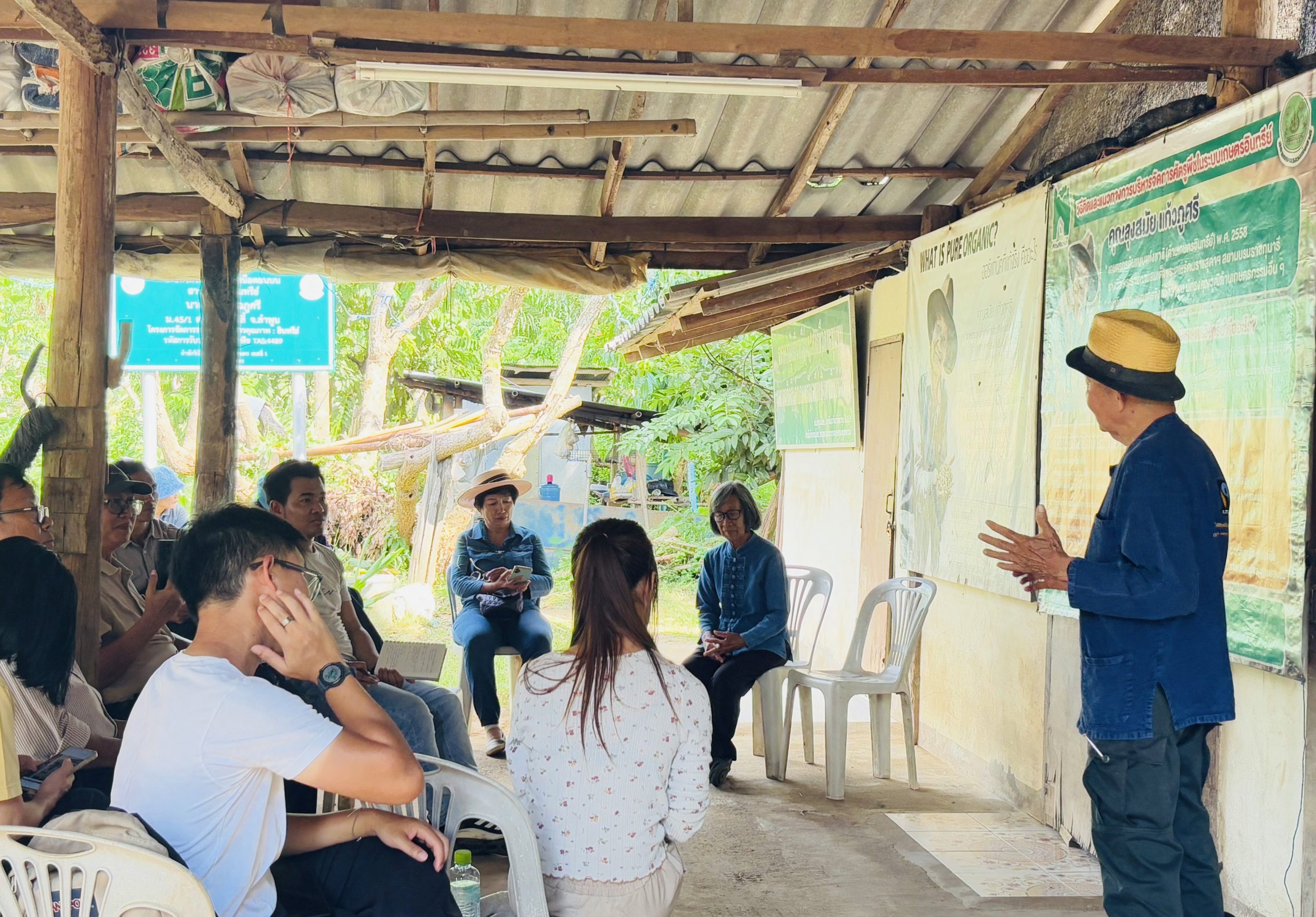
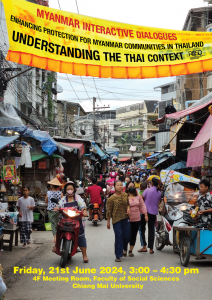
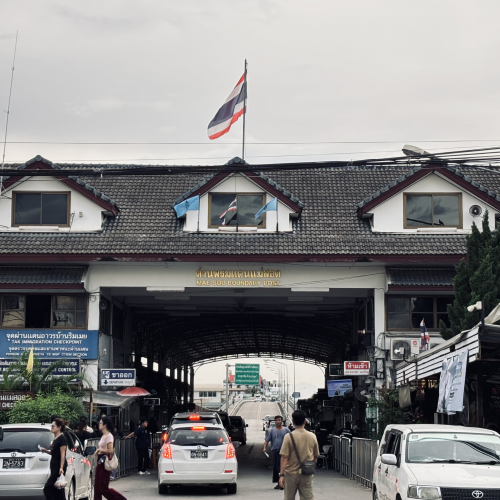
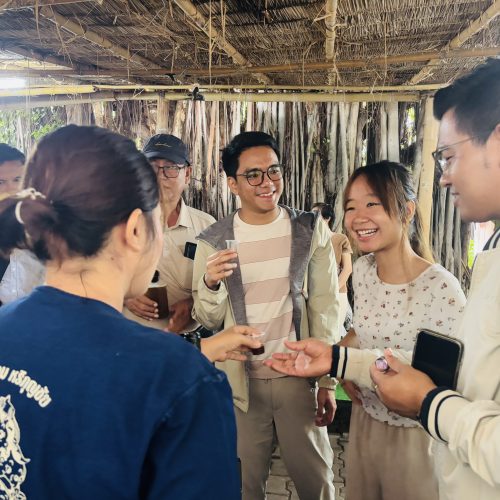
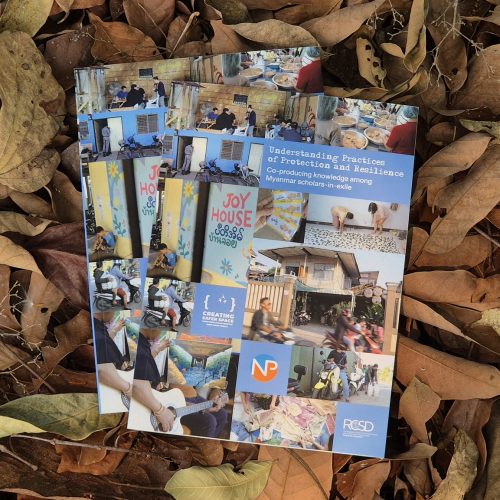
The project has implemented a suite of strategic activities, encompassing longitudinal studies on the protection and resilience of displaced communities in Mae Sot; a Thailand–Myanmar farmers’ field visit focused on alternative agriculture and sustainable development; the Myanmar Interactive Dialogue on civic space, protection culture, and justice; a regional Interactive Dialogue on defending civic space, advancing environmental rights, and strengthening regional protection culture; and thematic capacity-building sessions on food sovereignty, Indigenous Peoples’ rights, and climate change policies.