The Regional Center for Social Science and Sustainable Development (RCSD), Faculty of Social Sciences, Chiang Mai University, with support from the International Development Research Centre (IDRC) and Norwegian People’s Aid (NPA), organized the workshop “Co-Production of Knowledge: Critical Dimensions of Participatory Action Research” from 4–8 May 2026 at Chiang Mai University and field sites in Chiang Mai and Mae Hong Son provinces.
The workshop brought together emerging researchers, journalists, development practitioners, and grassroots organizers from across Southeast Asia to critically reflect on different forms of knowledge production and to explore how communities themselves are not merely “subjects” of research, but also knowledge holders and active producers of knowledge. The program combined lectures, collaborative workshops, field visits, group reflections, and dialogues with communities affected by river diversion and development projects in northern Thailand.
The workshop opened with an introductory lecture on co-production of knowledge by Dr. Chayan Vaddhanaphuti, Director of RCSD, followed by sessions led by Dr. Chaya Vaddhanaphuti and Khanin Hutanuwatr from the Department of Geography, Faculty of Social Sciences, Chiang Mai University, on trends in co-production research, participatory methods, and the practical challenges of working with communities. Through collaborative discussions and response dialogues, participants reflected on how dominant development narratives are shaped, whose expertise becomes recognized, and how knowledge production can both reproduce and challenge unequal power relations.
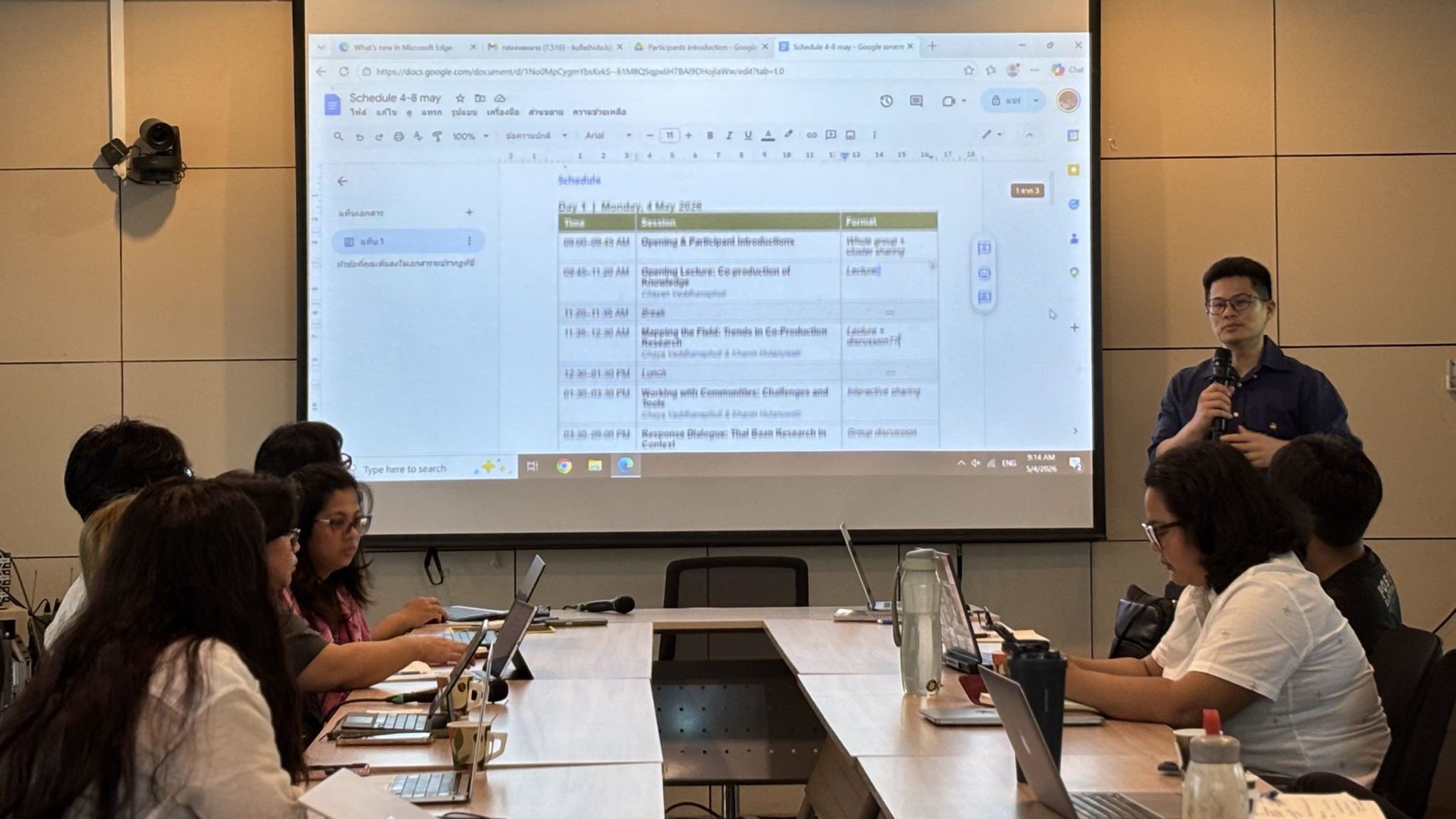
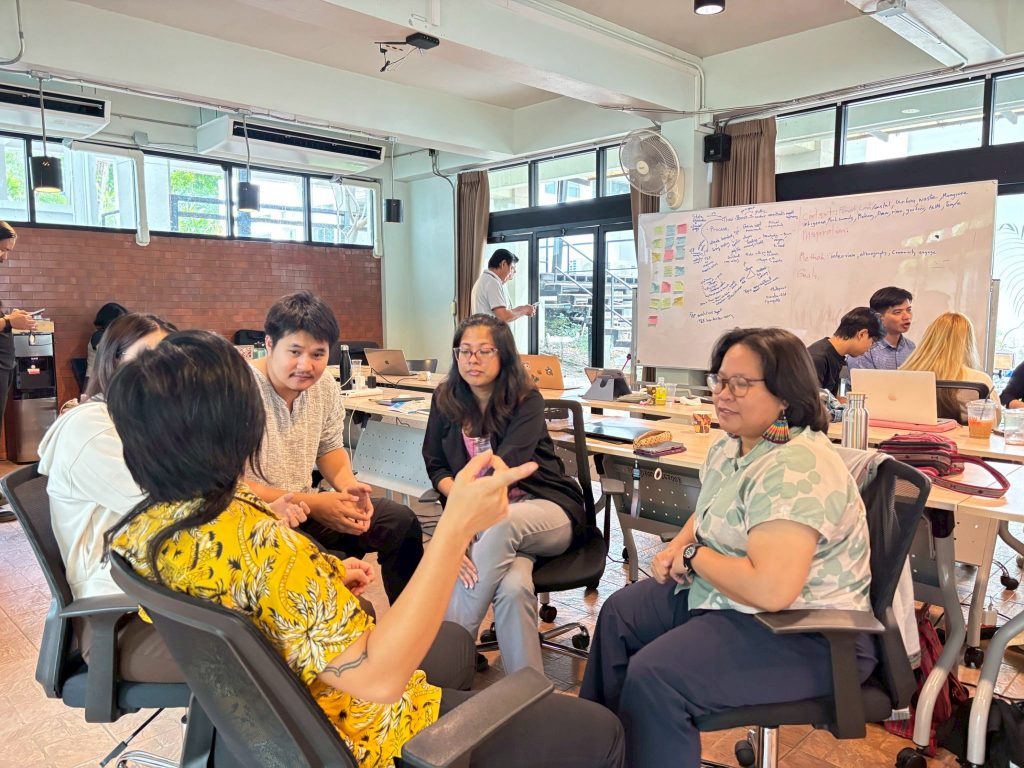
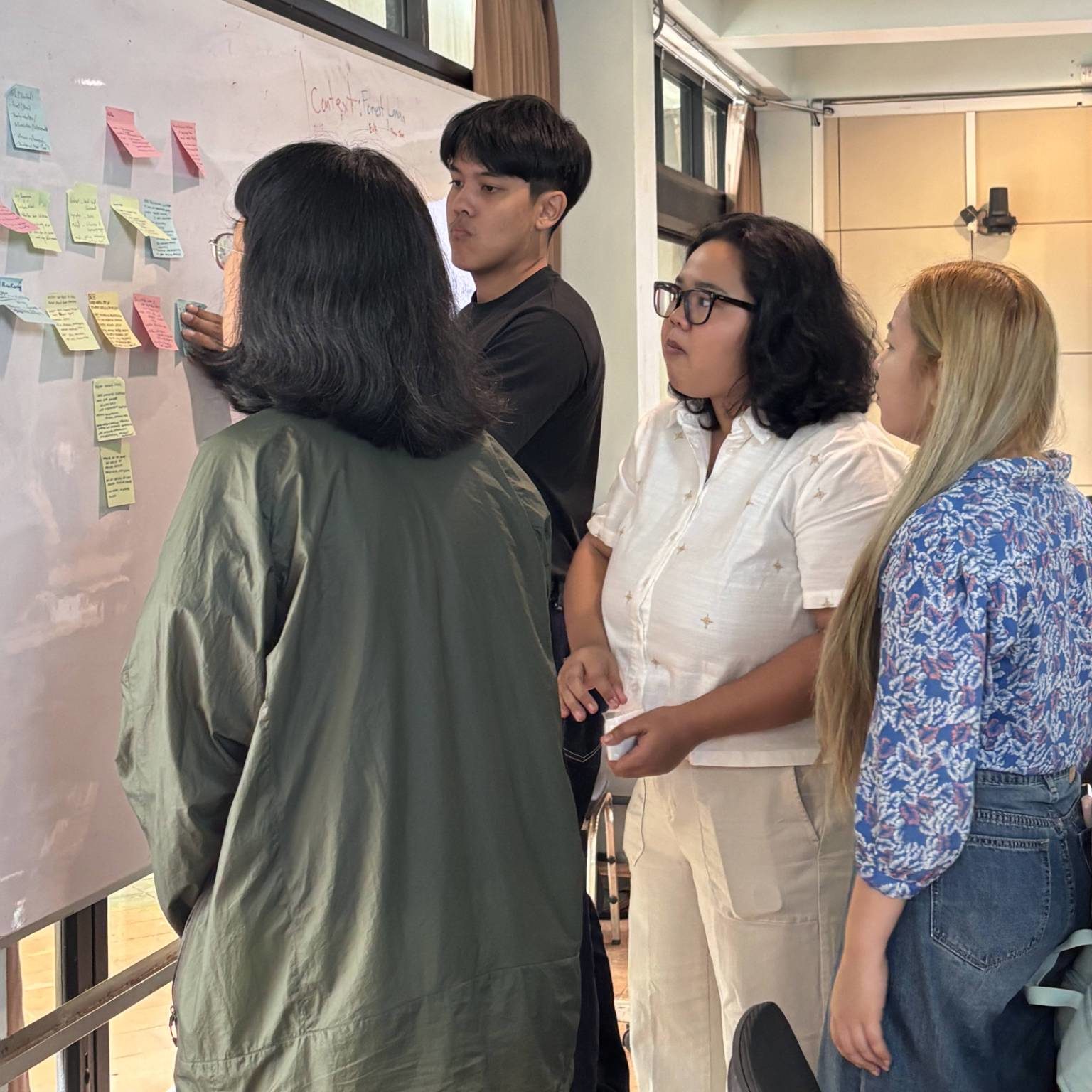
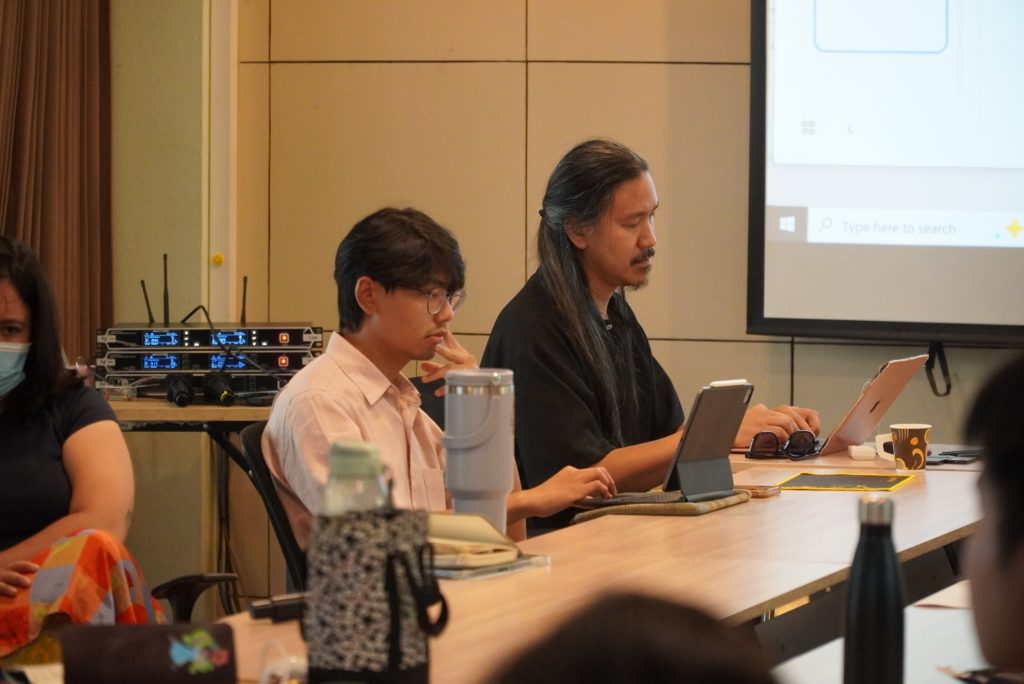
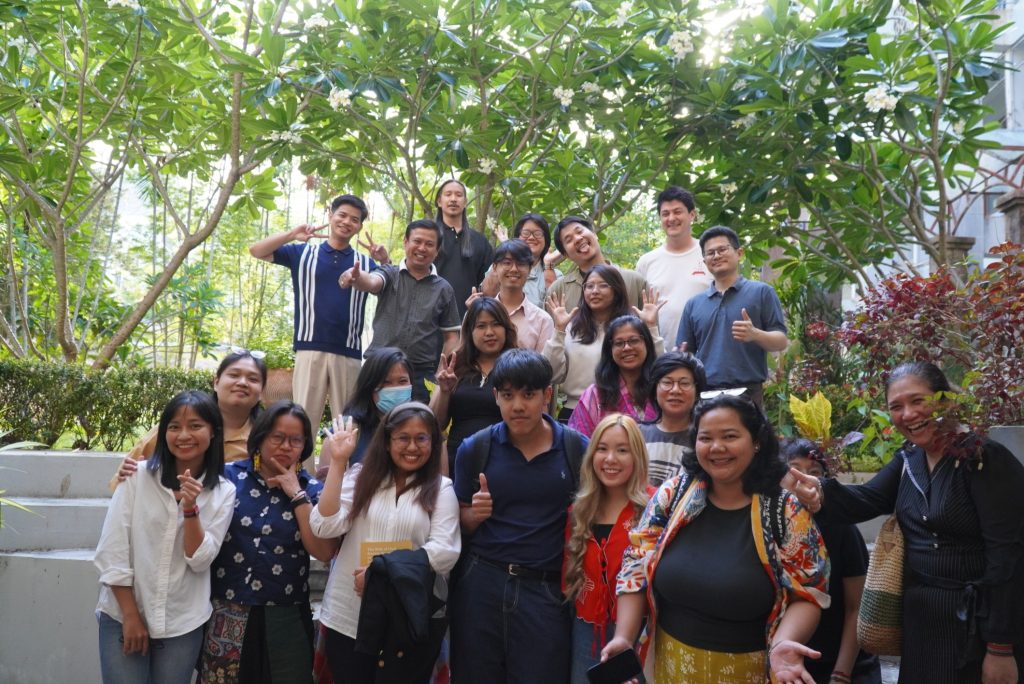
A special series of sessions on Thai Baan research was led by Dr. Chainarong Setthachua from the Department of Sociology and Anthropology, Faculty of Humanities and Social Sciences, Mahasarakham University, who discussed the origins, methodology, and politics of Thai Baan research in Thailand. In preparation for the field visits, participants also joined contextual briefing sessions led by Dr. Malee Sithikriangkrai from the Center for Ethnic Studies and Development (CESD), Chiang Mai University, while Phaothai Sin-ampol facilitated research design workshops and team-based activities that encouraged participants to connect theoretical discussions with their own research interests and field experiences.
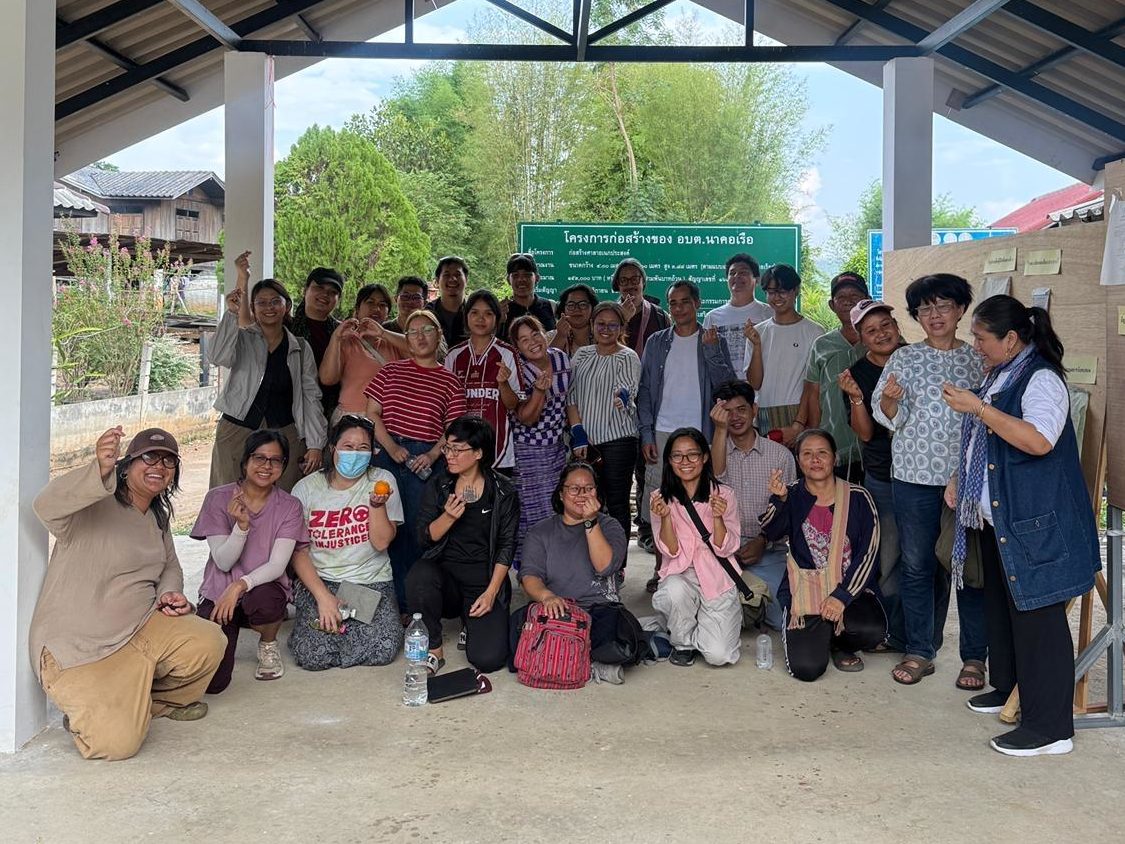
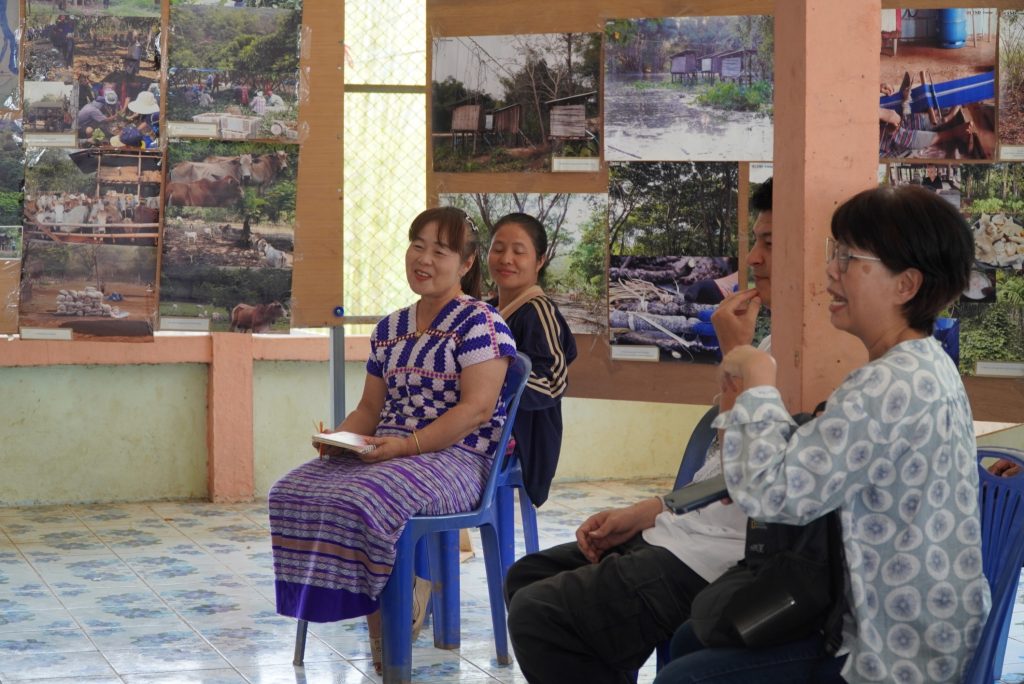
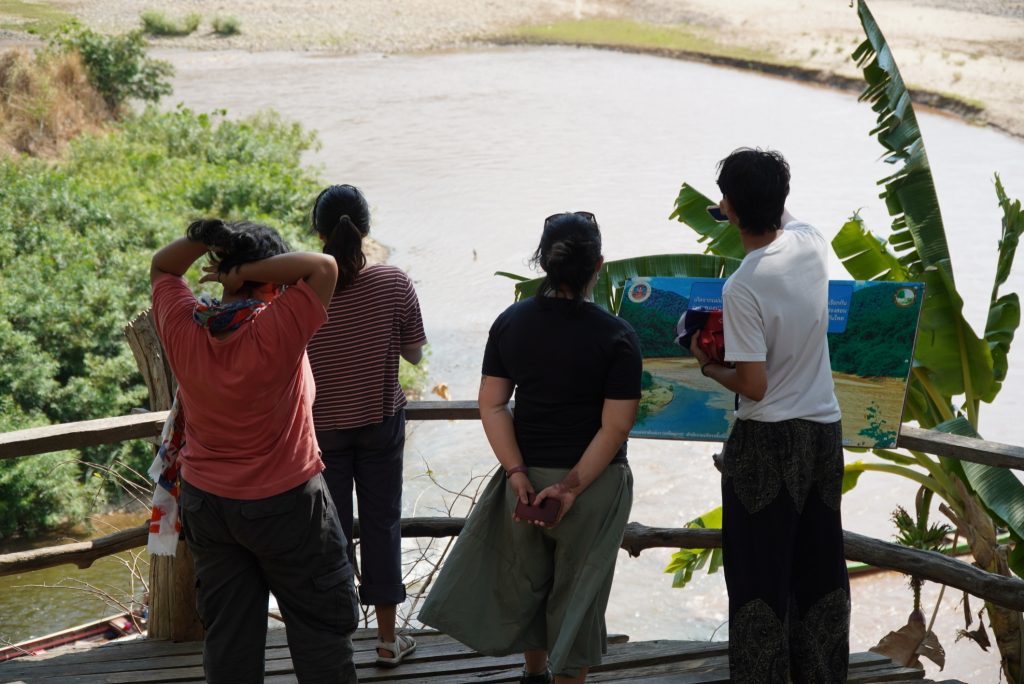
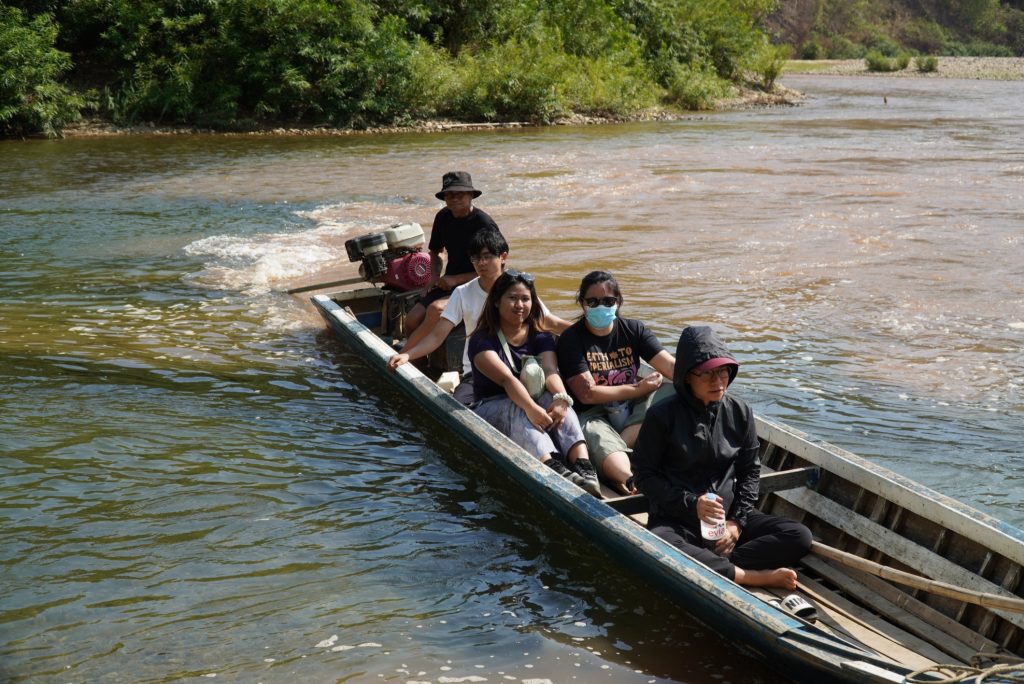
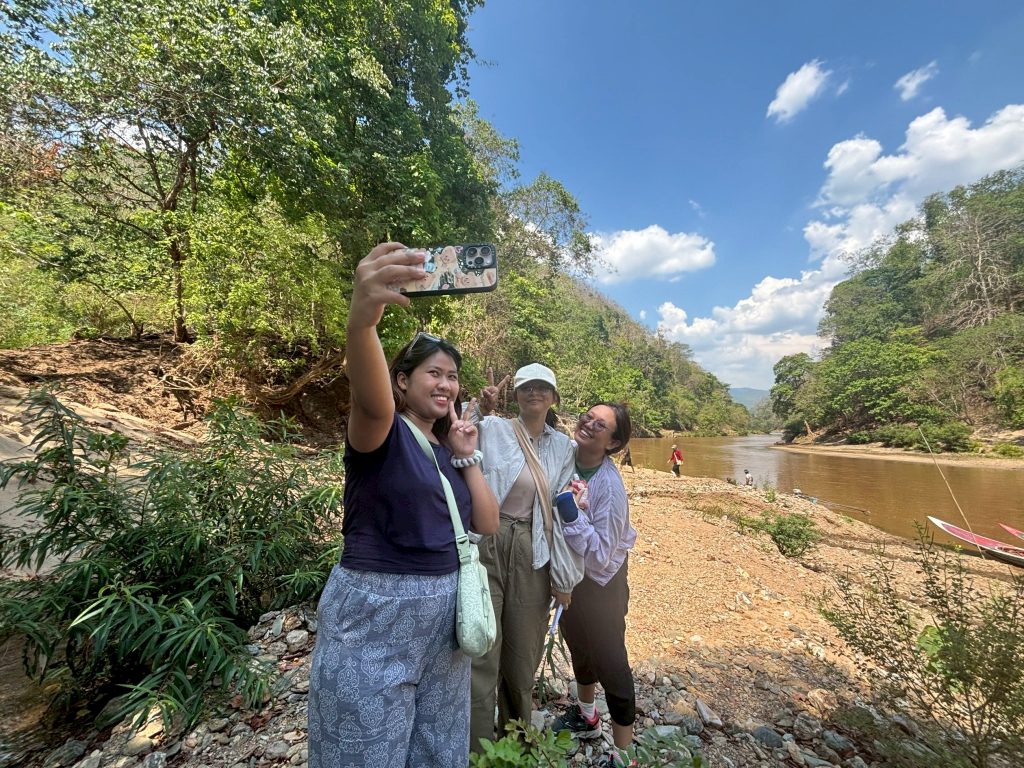
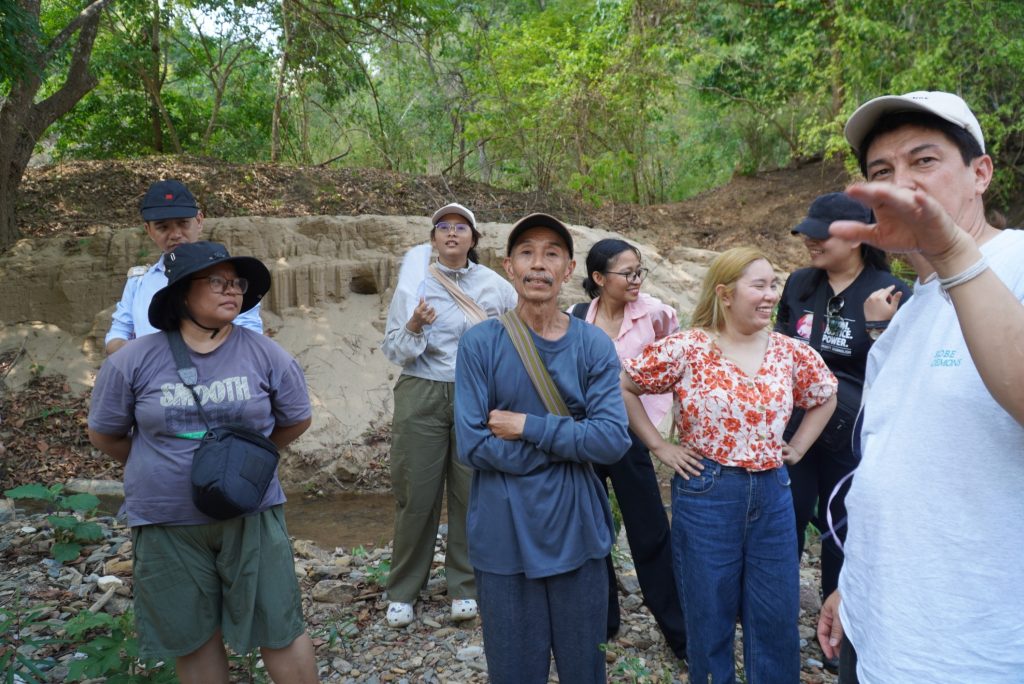
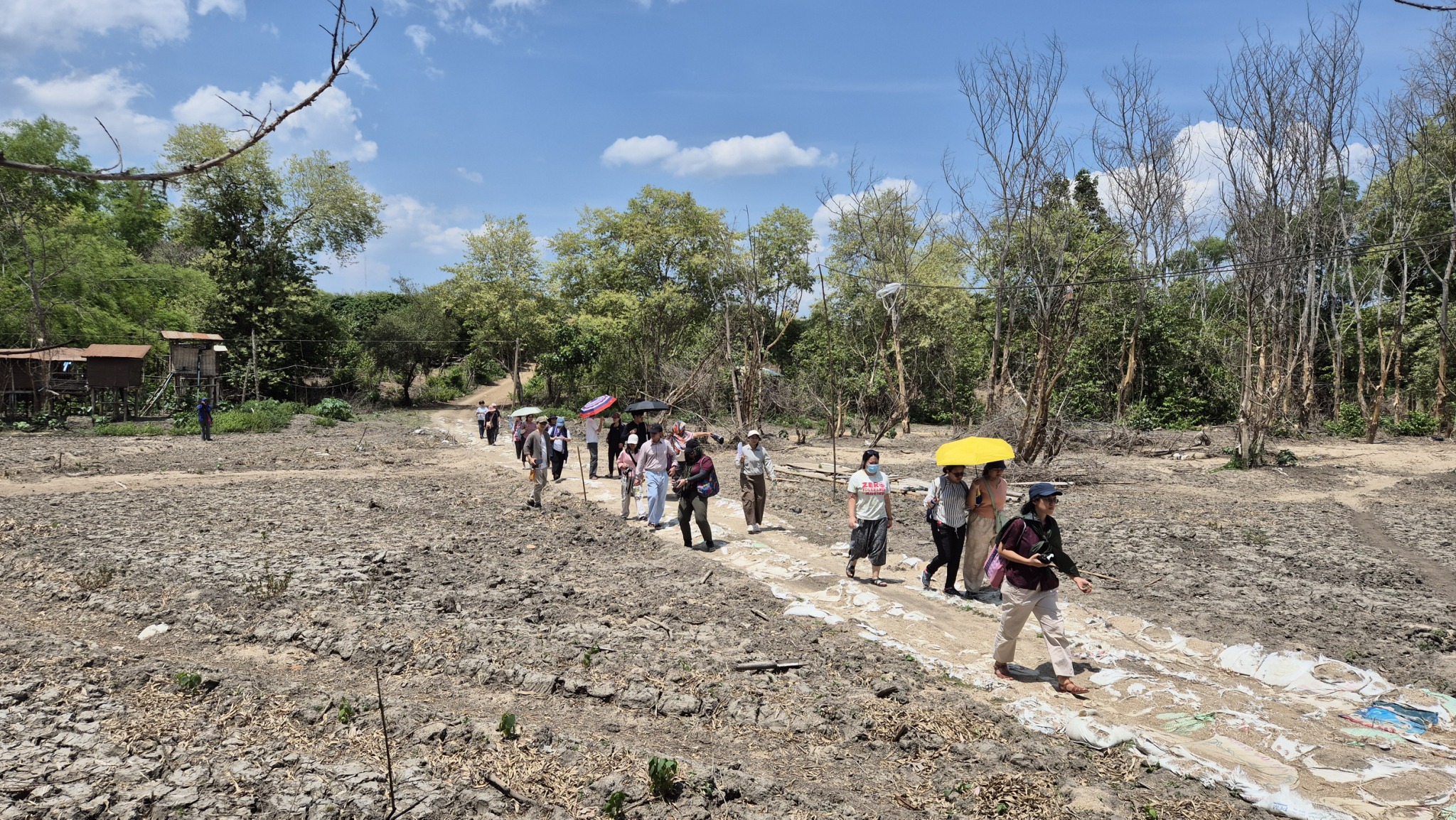
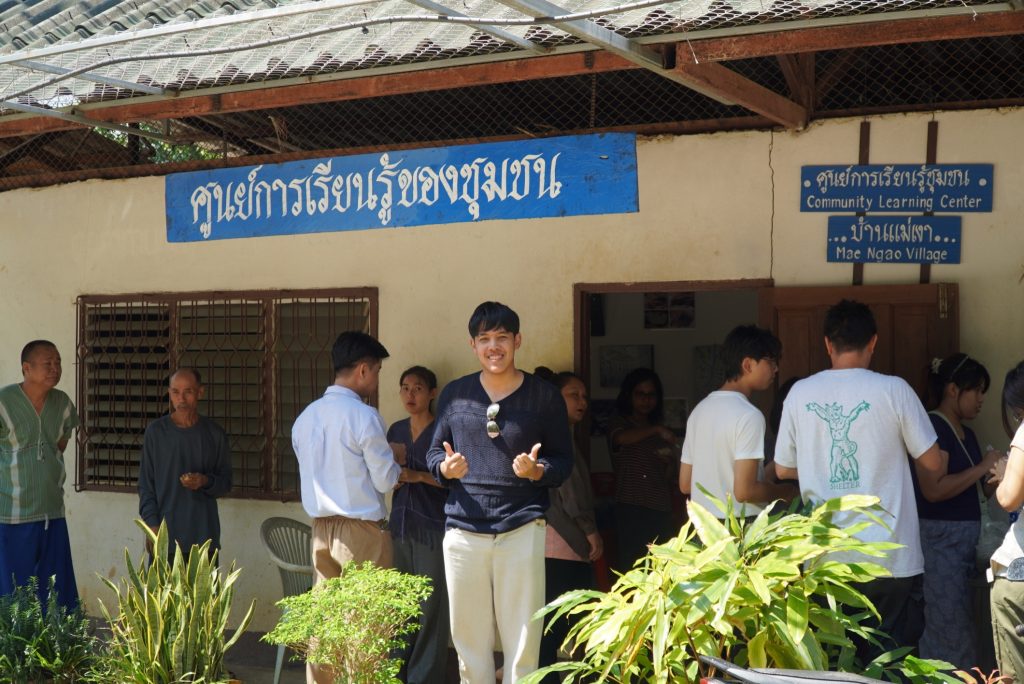
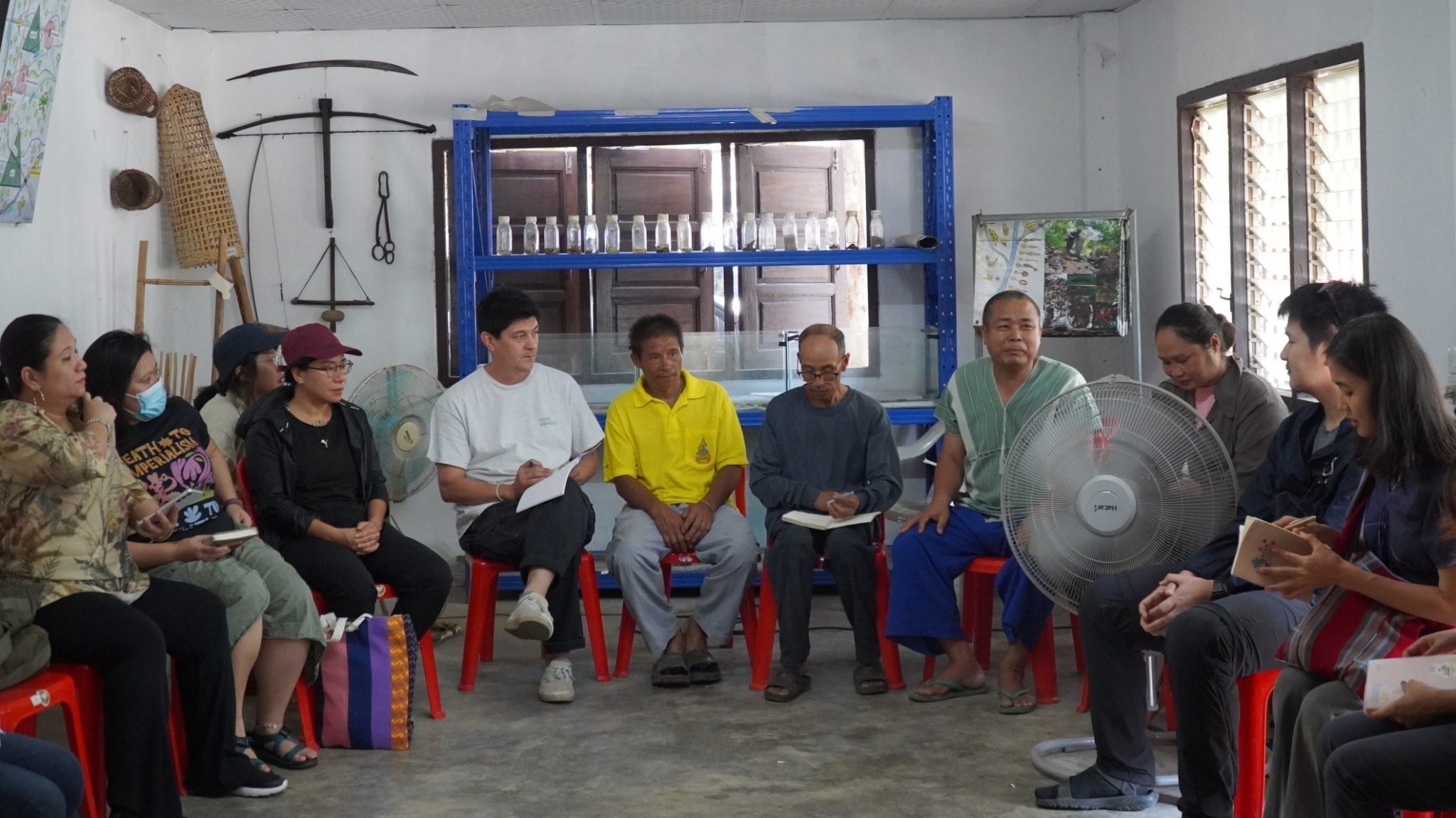
From 6–7 May 2026, participants joined field visits to Mae Ngud village in Chiang Mai Province and Mae Ngao village in Mae Hong Son Province. The visits included site walks, river journeys, group reflections, and dialogues with community members and local researchers. In Mae Ngud, participants learned about the long-term environmental impacts of river erosion and landscape transformation caused by diversion projects, while community researchers shared experiences of conducting People’s EIA and building local archives of evidence to support environmental advocacy and collective action.
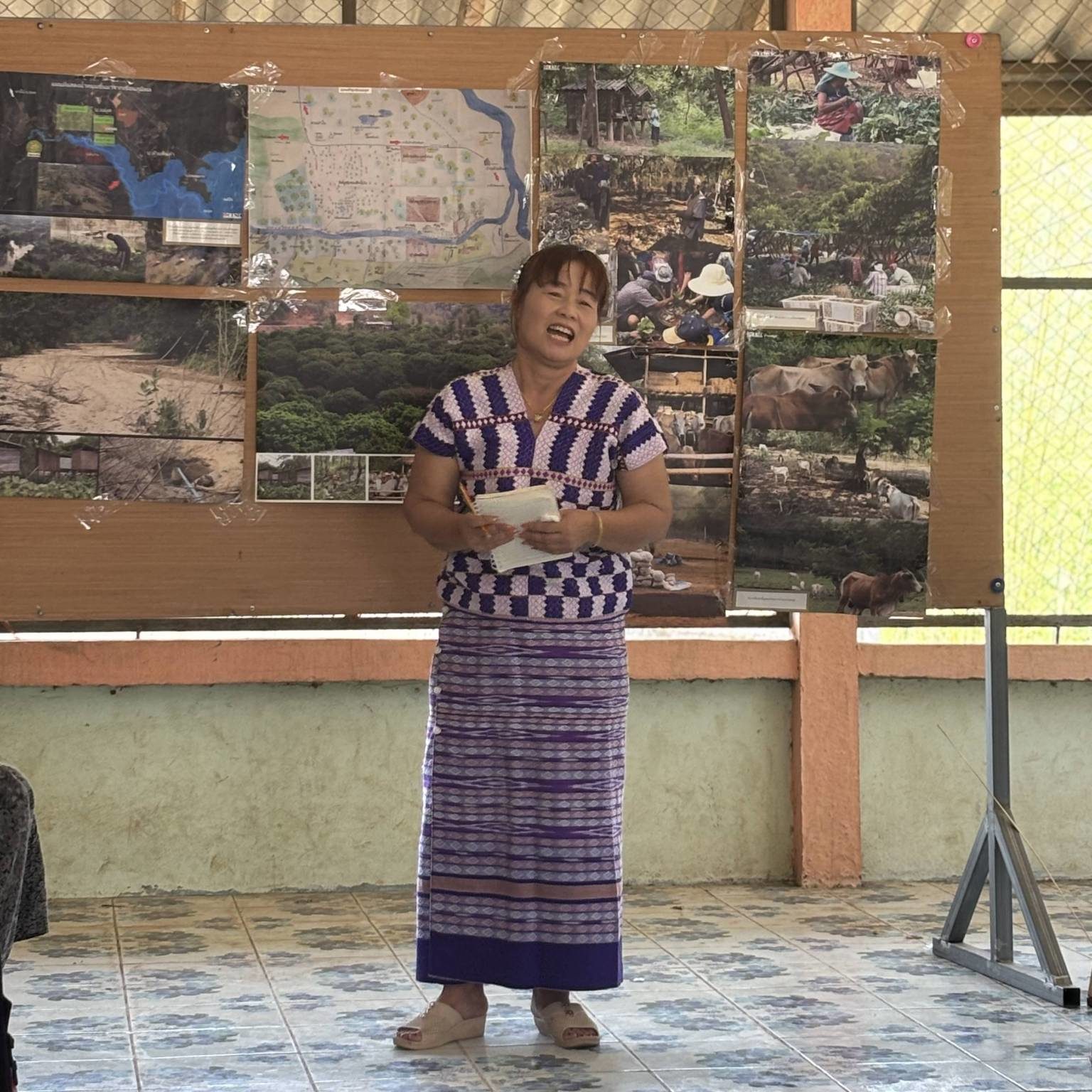
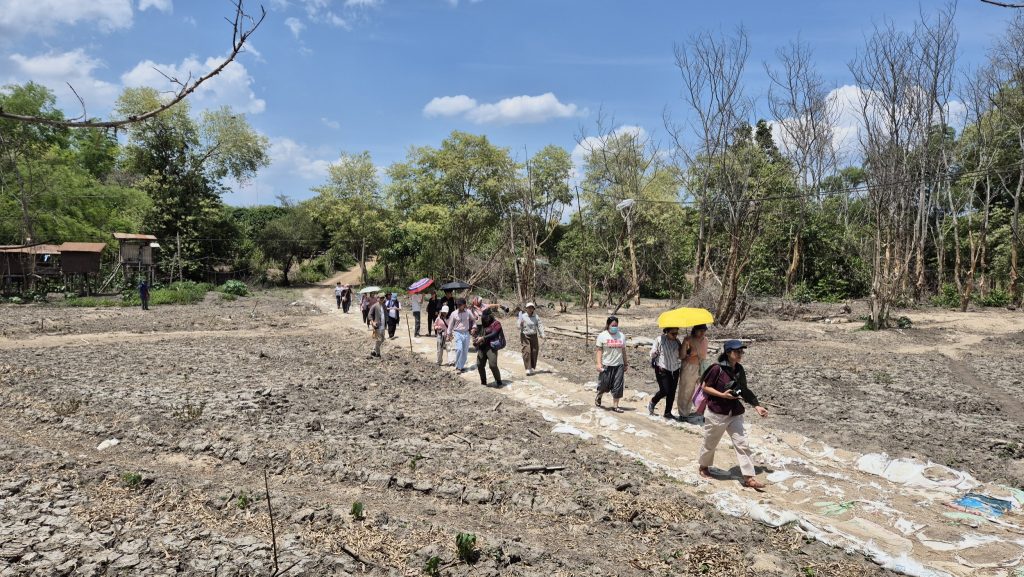
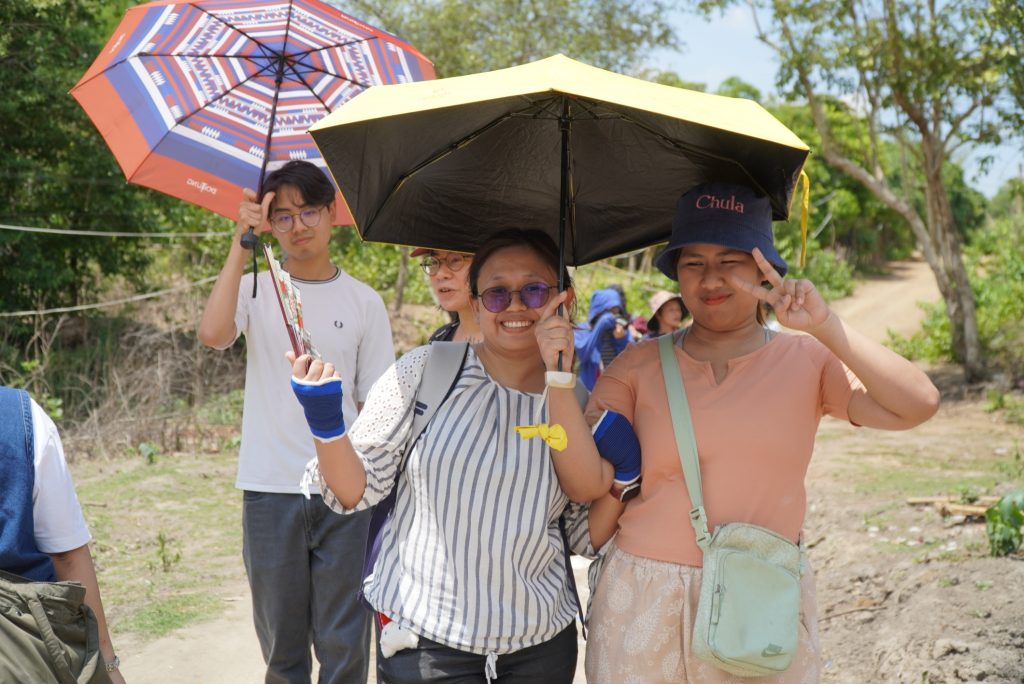
In Mae Ngao village, participants engaged in discussions with community members regarding ongoing struggles over land rights, river governance, forest management, and resistance to large-scale development interventions. Rather than functioning only as observers, participants were encouraged to listen, exchange experiences, and reflect collectively on how communities themselves practice co-producing knowledge through local documentation, storytelling, mapping, and research engagement as part of broader political and environmental struggles.
On the final day, participants joined collective reflection sessions on the political ecology of Mae Ngud, co-production, and decolonizing knowledge, while also discussing how participatory and community-based approaches could be applied within their own research and professional practices. The workshop concluded with discussions on the future of Thai Baan research in Southeast Asia and broader conversations on solidarity and collaboration among researchers, practitioners, and communities working on participatory and community-based research initiatives across the region.