
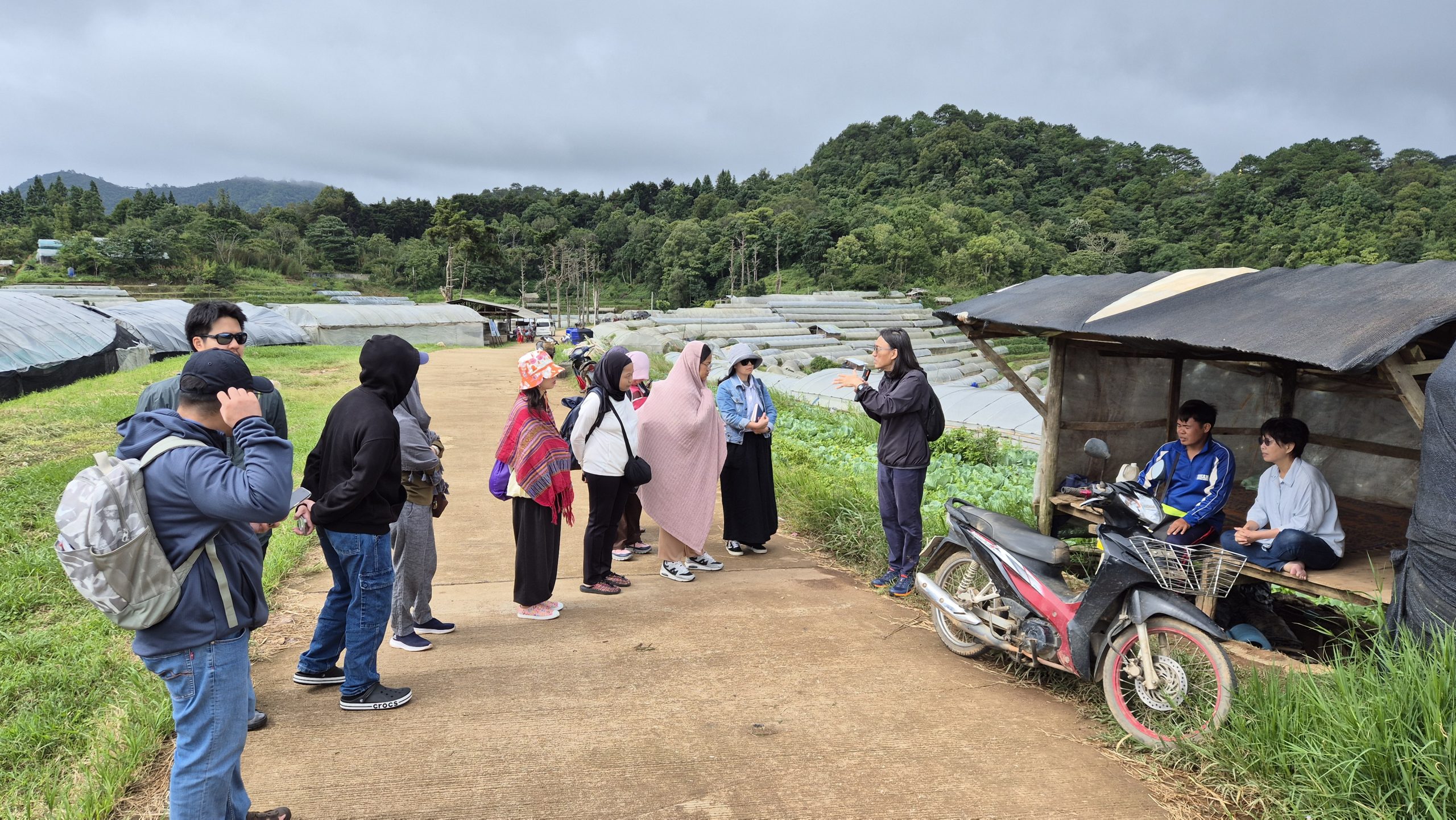
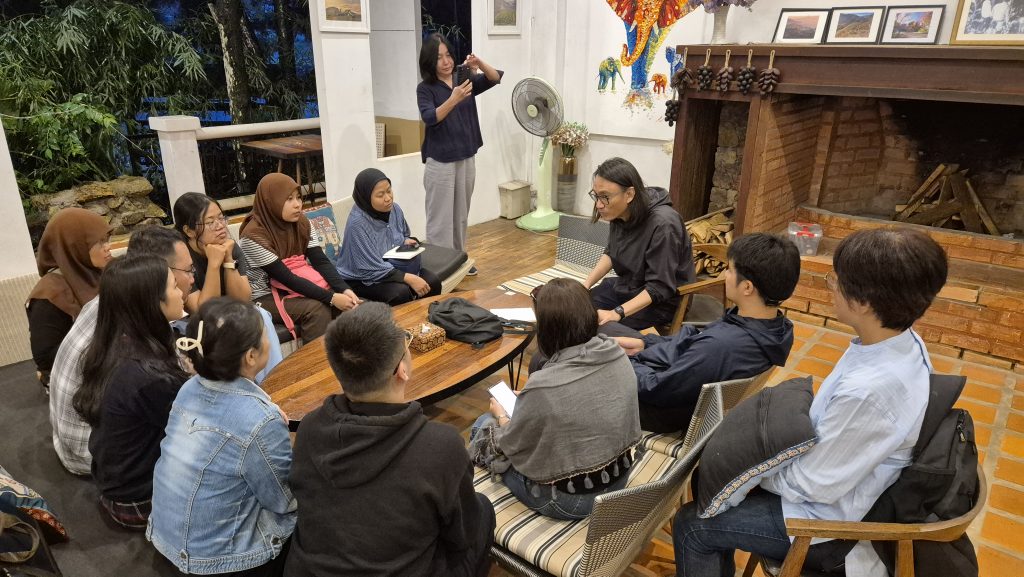
From 16-20 June 2026 ten participants from a variety of countries in Southeast Asia came together in Chiang Mai to join the research capacity building workshop “Revisiting agrarian transition & environmental (in)justice,” hosted by RCSD at the Faculty of Social Sciences, Chiang Mai University and supported by Swedish International Development Cooperation Agency (SIDA) under the Cultivating the Humanities & Social Sciences and supporting Under-represented Scholars of Asia (CHSS) project, in collaboration with the Association of Asian Studies (AAS).
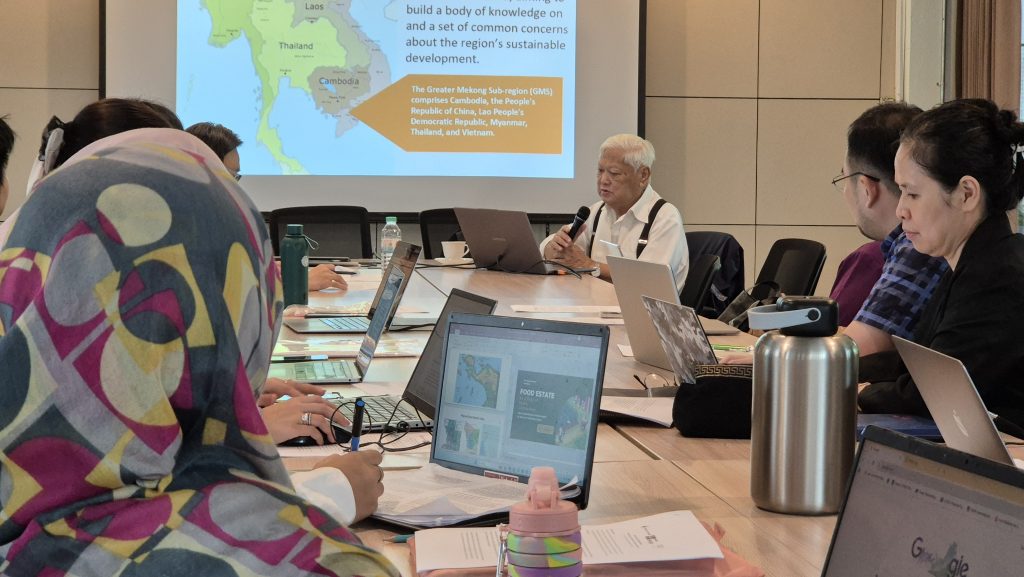
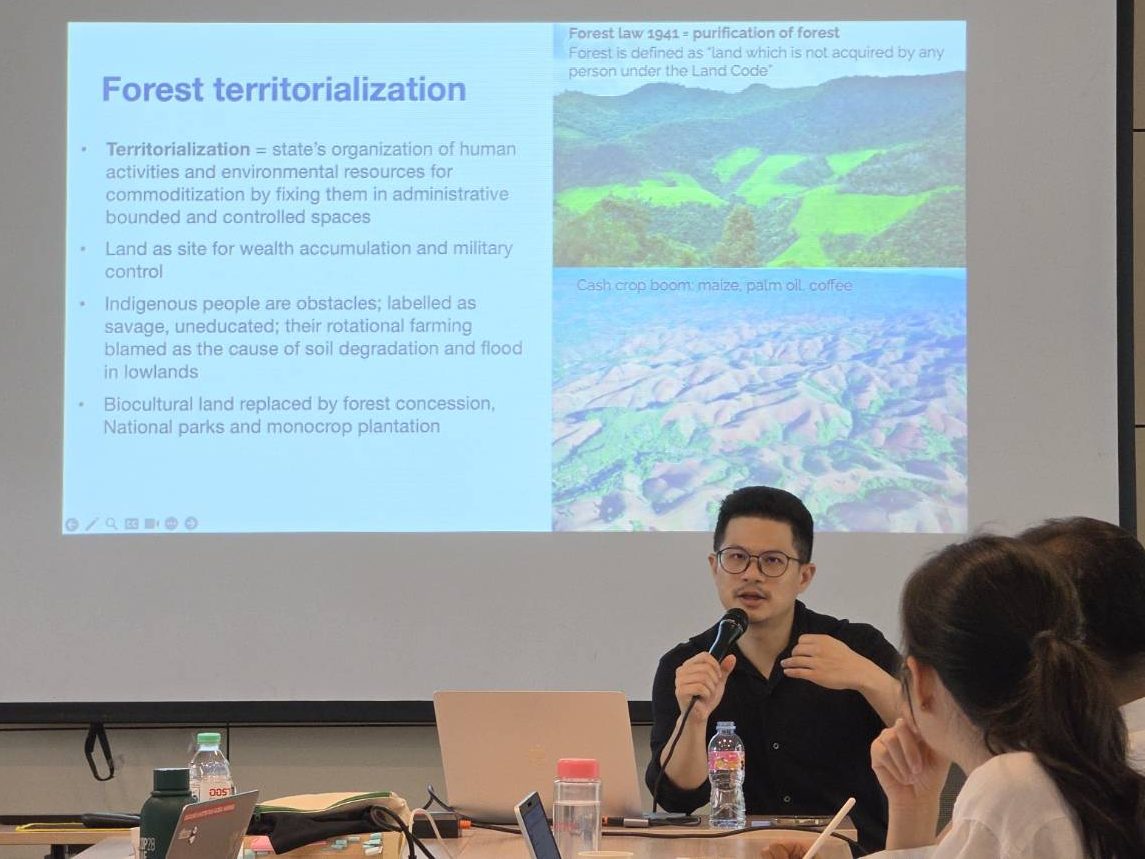
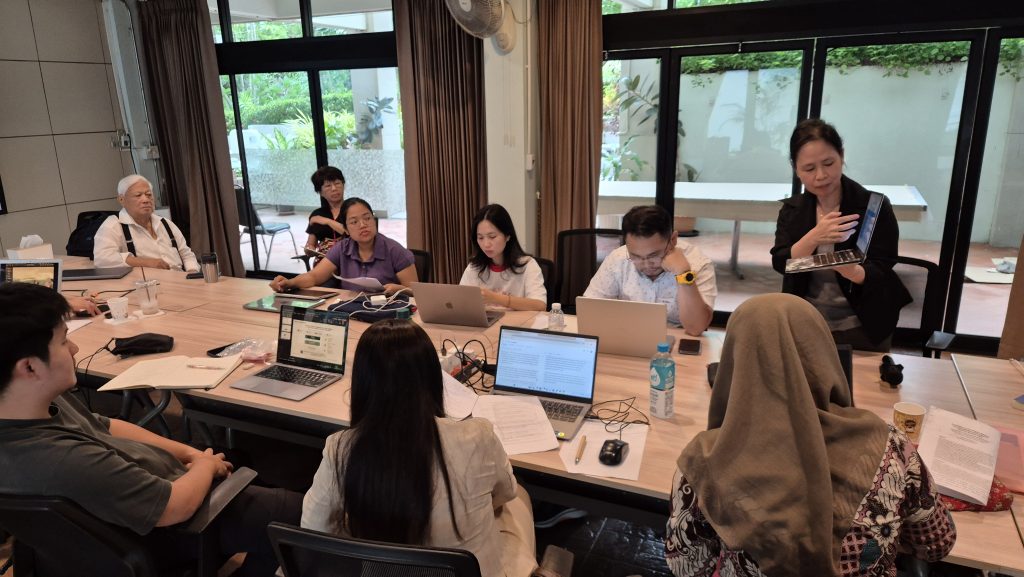
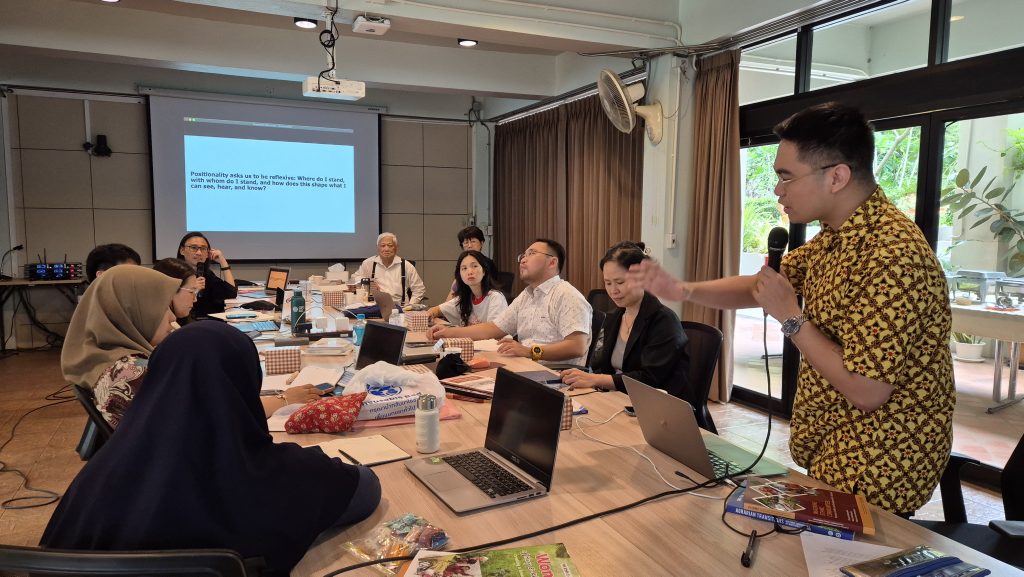
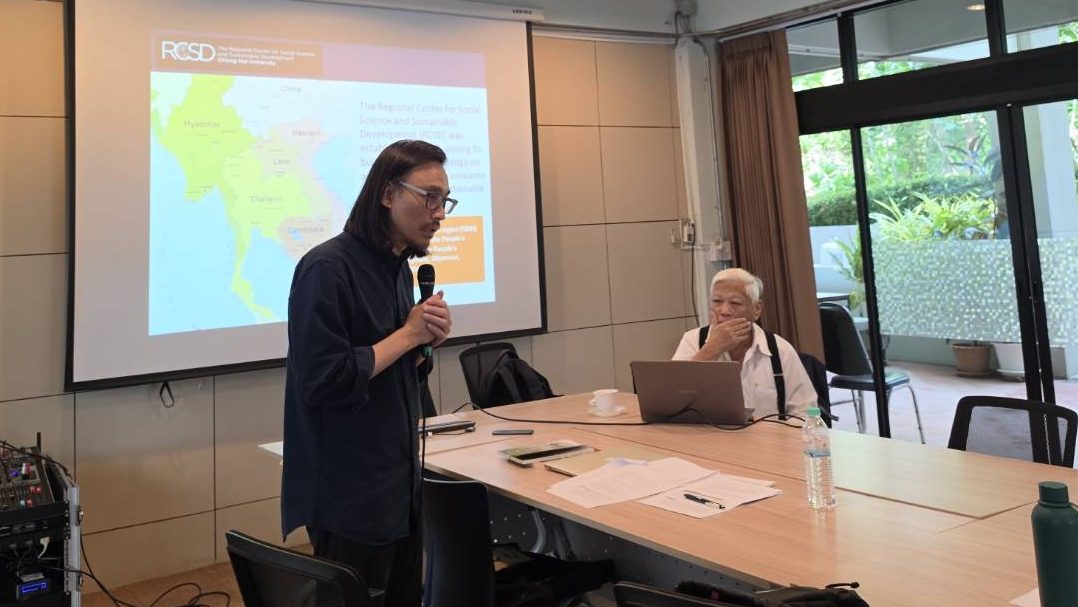
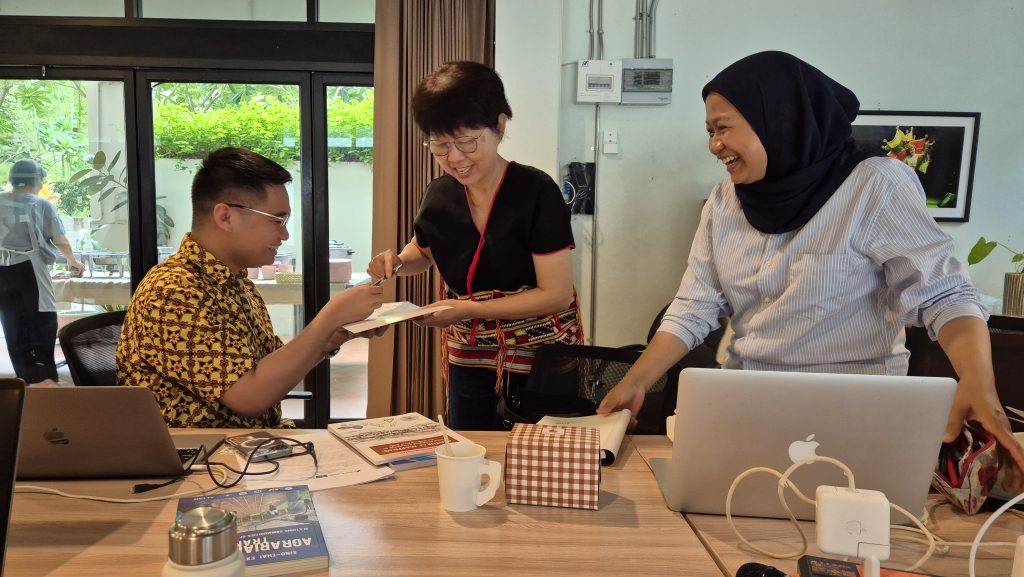
Participants took part in two days of academic lecture and discussion with Chiang Mai University key academic resource persons, including Chayan Vaddhanaphuti, Malee Sitthikriengrai, Nantawat Chatuthai and Chaya Vaddhanaphuti. Discussions focused on the conceptual and theoretical dimensions of the “agrarian transition,” covering how societies and socio-ecological relations in rural and agrarian communities are changing in the face of development and the move towards the industrialization of agriculture and intensified resource extraction. The workshop paid special attention to the dynamics at the micro-level within communities, and how intra-level inequalities of land, capital, and labor both reflect large level forces but also create new and unexpected effects on the ground.
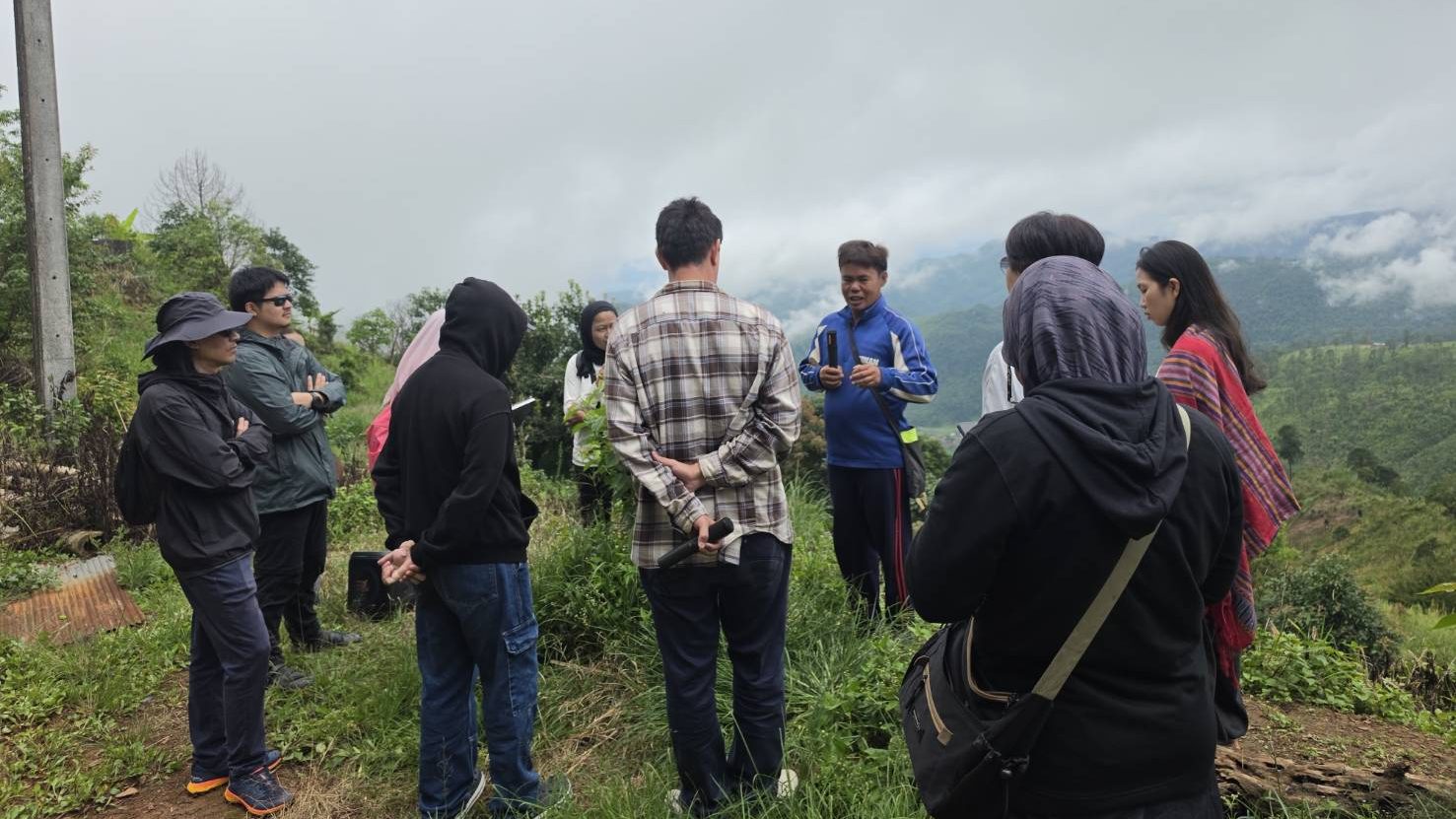
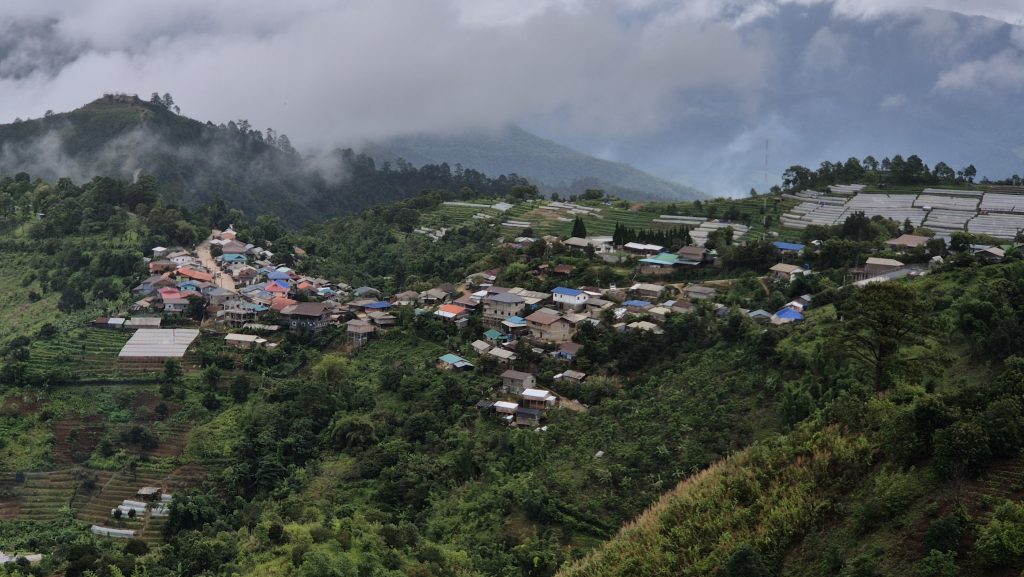
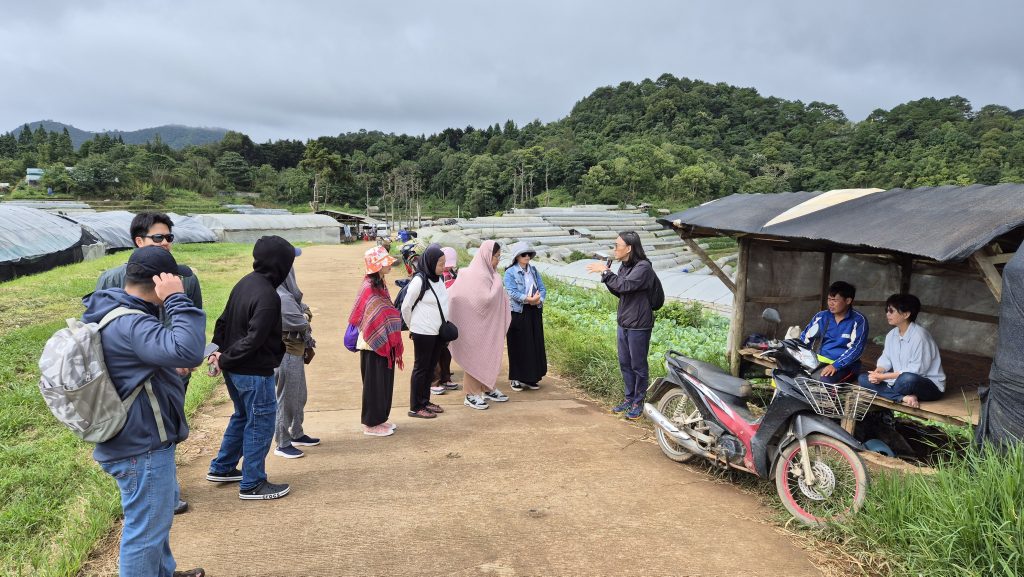
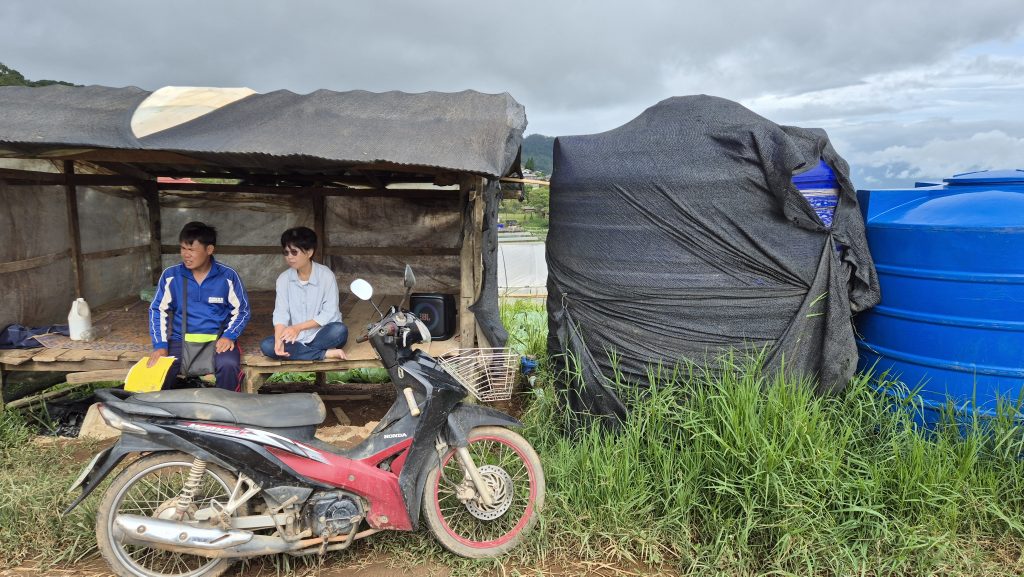
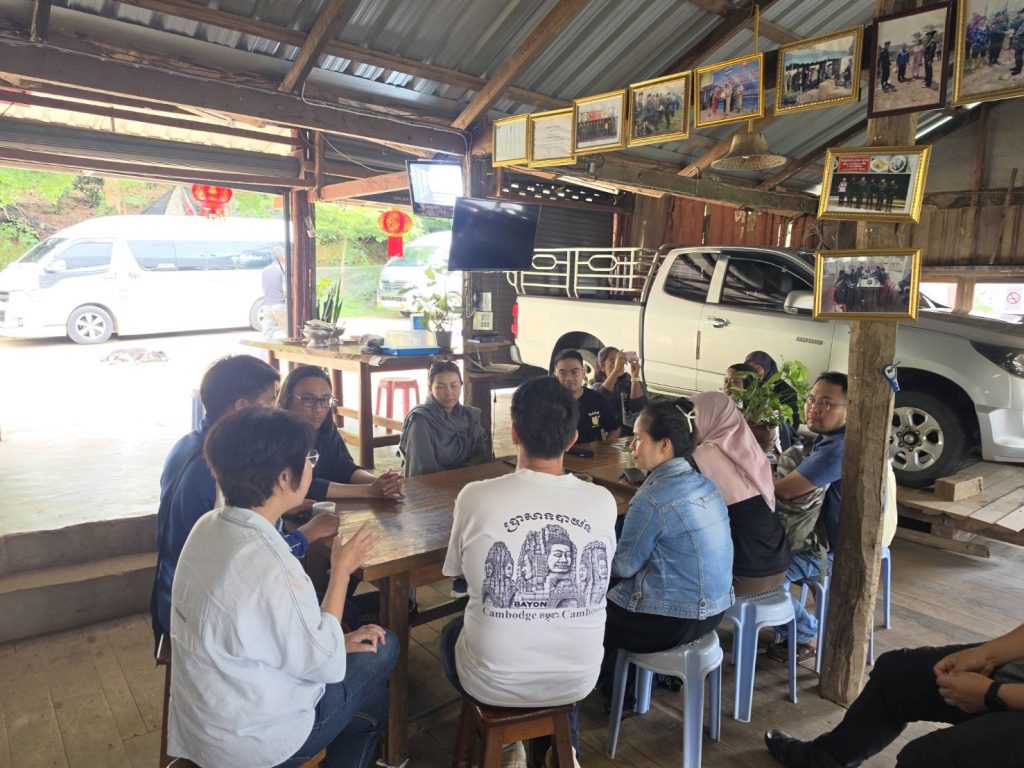
Participants traveled to see how these dynamics play out in the border community of Nor Lae, getting a brief, but close-up view of how the local community of Nor Lae is navigating the multidimensional dynamics of land rights, contract farming, cross-border agriculture and trade, migration, citizenship and the increased commercialization of the agricultural market. The observations, conversations, and discussions had while in the field, it is hoped, will lead to fruitful new comparisons and conceptualizations that individual participants can take back to their own countries and research sites to produce new understandings and knowledges in their home contexts.