
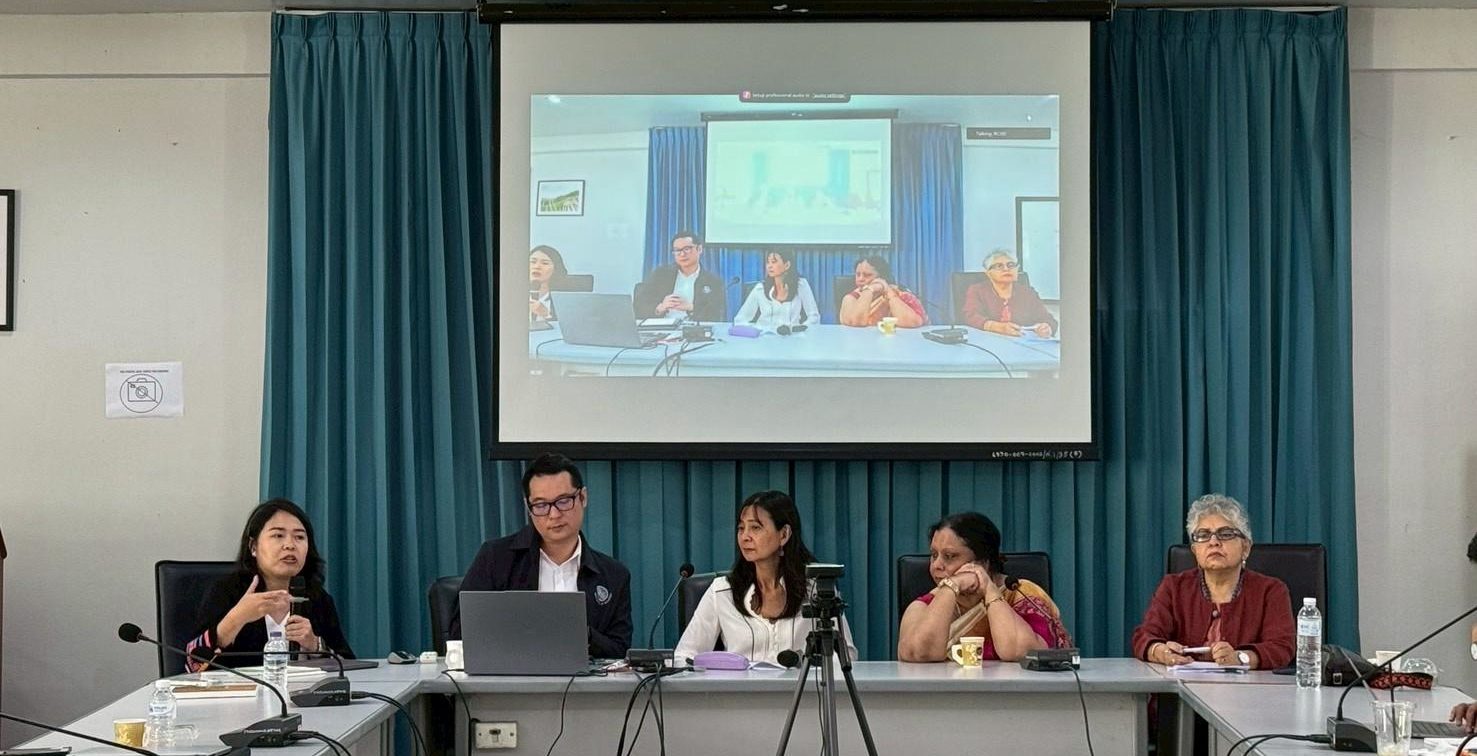
On 19 June 2026, to commemorate World Refugee Day, RCSD hosted “Changing Global Order, Aid Retrenchment, and Refugee Protection: Reframing the Right to Work for Myanmar Refugees in Thailand” with the support of the International Development Research Centre (IDRC, Canada).
Dr. Hayso Thako (Karen Refugee Committee) opened the event by giving a keynote speech tracing the historical trajectory of refugees in Thailand alongside the shifting humanitarian aid landscape. Providing a vital refugee perspective, Dr. Hayso addressed the current implementation gaps in the Right to Work policy. He emphasized that advancing this policy inclusively is both a moral imperative and a necessary step toward genuine solution for displaced communities.
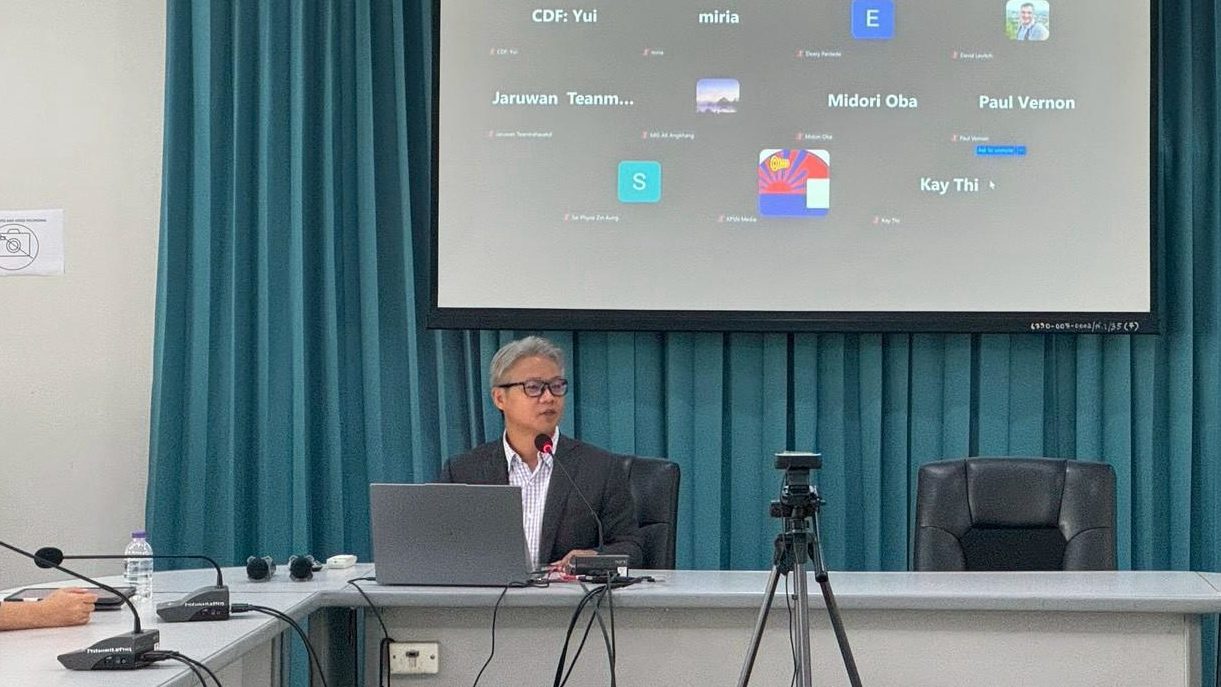
Dr. Paula Banerjee (IDRC Chair on Gender and Forced Displacement, AIT) detailed the origins and significance of the IDRC Chair Declaration. She situated the current crisis within the history of international human rights norms, raising alarms over the increasing global trend of overcriminalizing refugees. Dr. Banerjee argued that granting the Right to Work restores fundamental dignity to refugees while simultaneously providing tangible economic benefits to host states, provided that human rights-based norms remain the foundation of these policies.
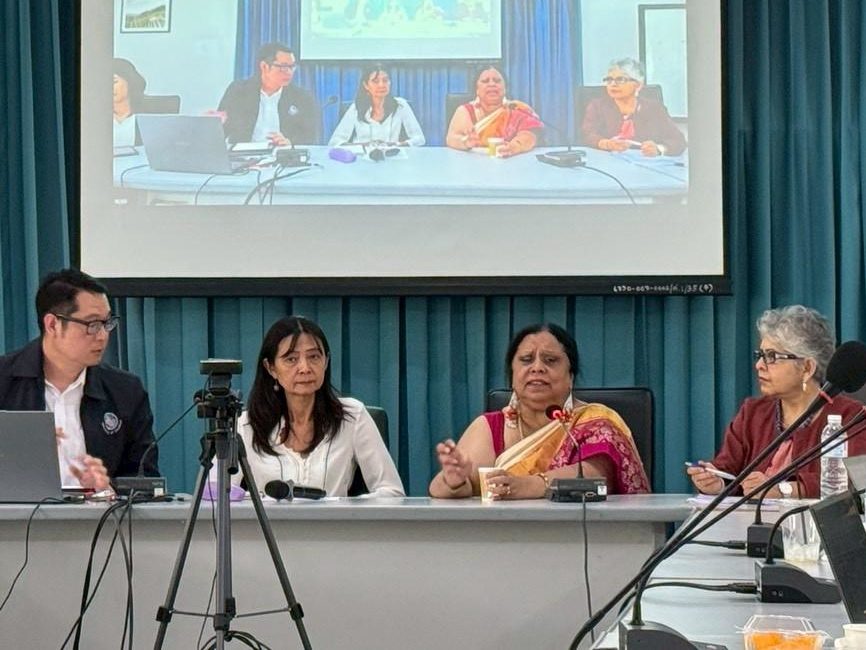
Ms. Sumbul Rizvi (Advisor on Forced Displacement, Protection, & Solutions) addressed the systemic deterioration of the global refugee regime. Ms. Rizvi highlighted the rise of global nationalism and the resulting aid reductions from the Global North, stressing the need for “win-win” policies that emphasize skills development and private sector engagement.
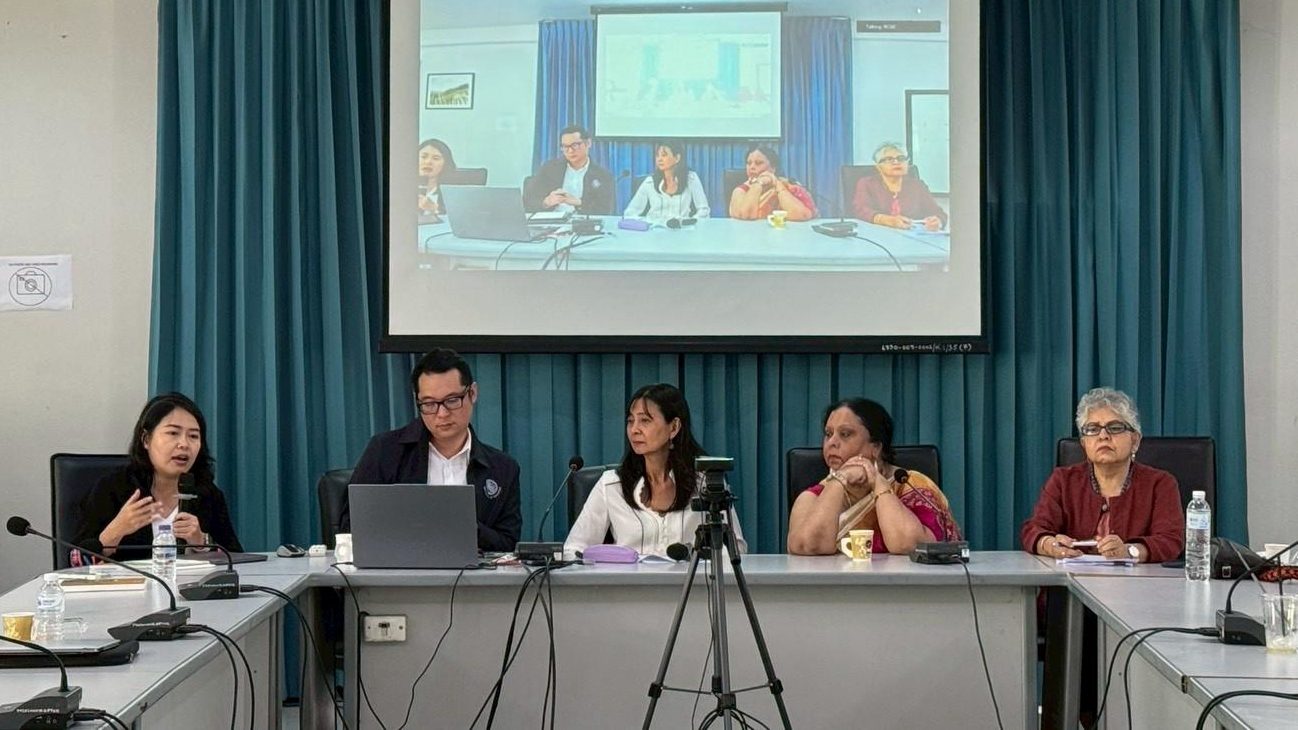
Providing the policymaker’s perspective, Mr. Zcongklod Khawjang (Operation Centre for Displaced Persons, Ministry of Interior) outlined the tangible progress of Thailand’s Right to Work policy. Driven by domestic labor demands, international funding cuts, and the suspension of resettlement programs, the policy has resulted in 5,800 individuals either employed or awaiting work permits.
Mr. Zcongklod highlighted a historic milestone: the issuance of official ID cards for refugees, which recently launched in Ratchaburi. He noted that while employment is currently concentrated in agriculture and construction, the government is actively working to eliminate exploitative brokers and is open to recommendations from NGOs and UN agencies. Ultimately, the government is shifting its lens to view displaced persons as valuable human capital capable of economic contribution.
While acknowledging the Ministry of Interior’s positive steps, Dr. Sirada Khemanitthathai (IDRC Chair on Forced Displacement, RCSD) emphasized the complex realities on the ground. She noted that policy adjustments in Thailand are a delicate compromise, heavily influenced by rising domestic nationalism and anti-migrant public sentiment. She identified several urgent implementation include skills mismatch, language barriers and family reunification challenges. Dr. Sirada stressed that current policies largely focus on visible, camp-based refugees. There are still urban refugees, political exiles, and post-coup arrivals. These groups exist in a state of “mixed migration,” often forced to become undocumented laborers to survive, leaving them vulnerable to arrest and deportation.
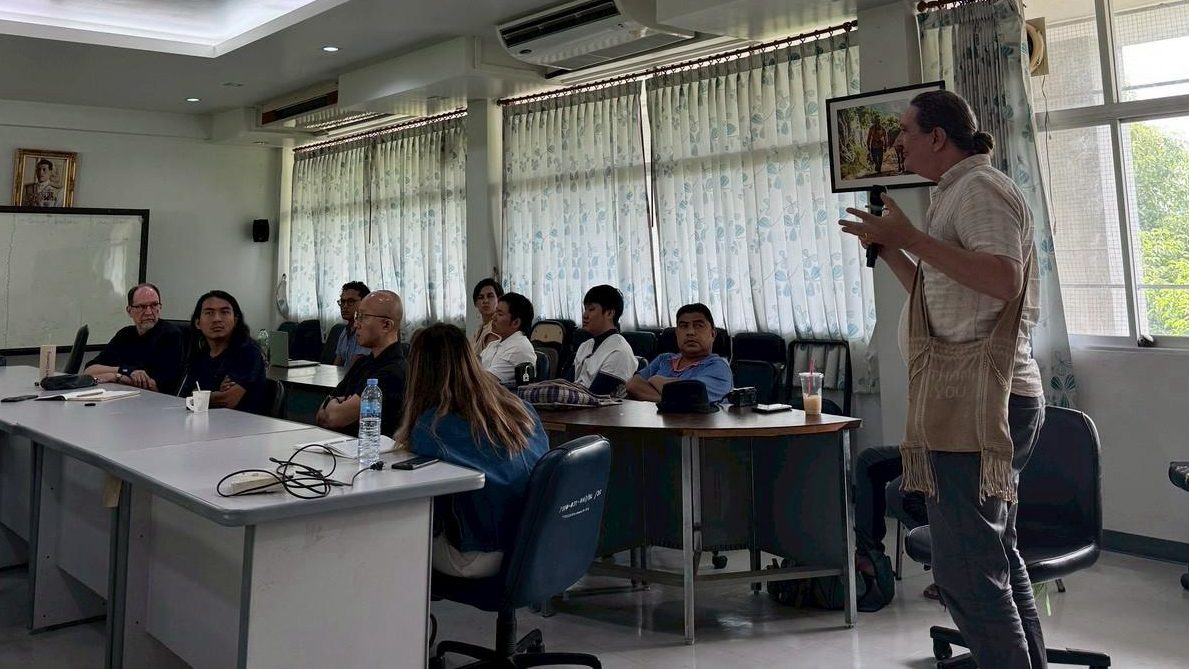
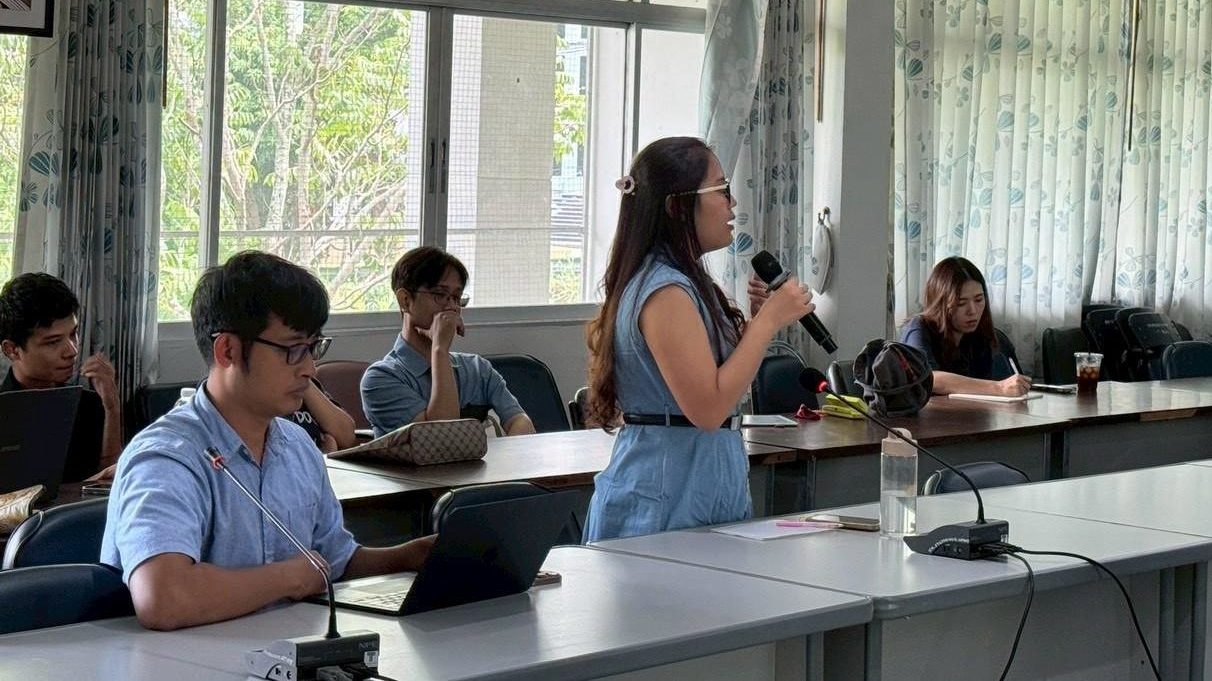
The panel concluded that Myanmar will not “normalize” in the near future, meaning displacement will remain a protracted reality. Ultimately, the panelists agreed that refugee protection must be viewed as a crucial pillar of regional security. By providing robust legal protection and inclusive economic pathways, Thailand and the region can transform a humanitarian challenge into a secure, economically productive future.