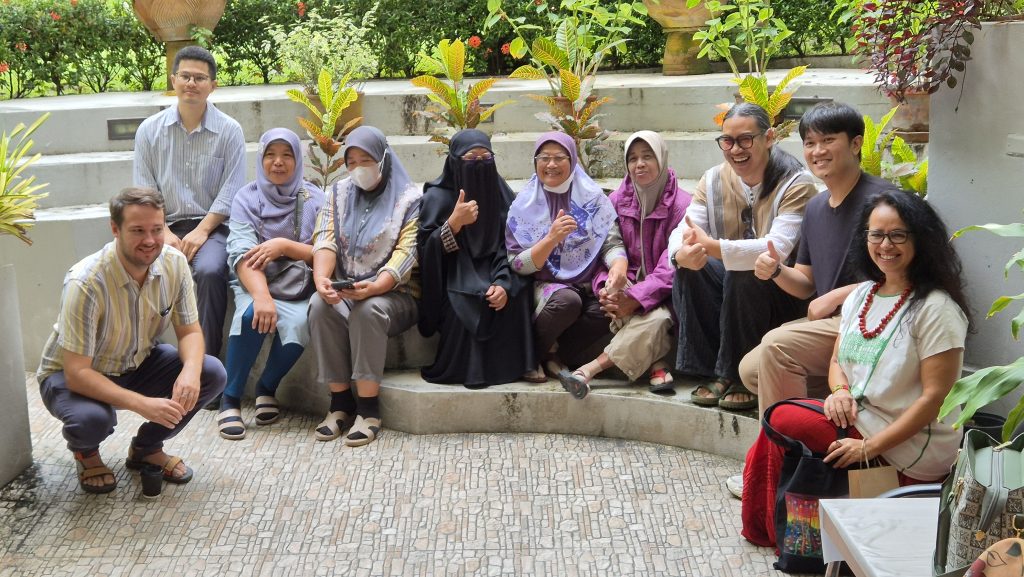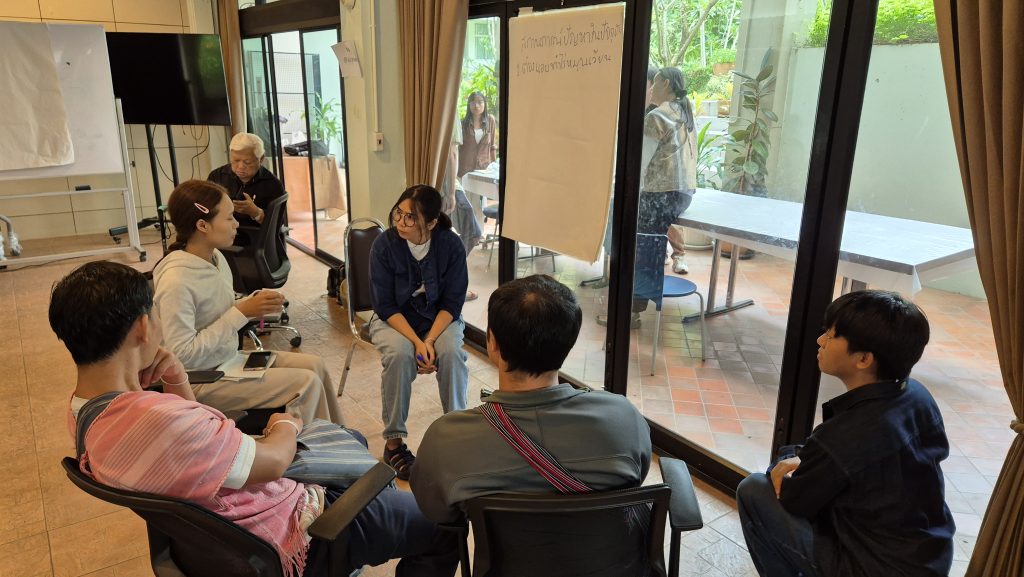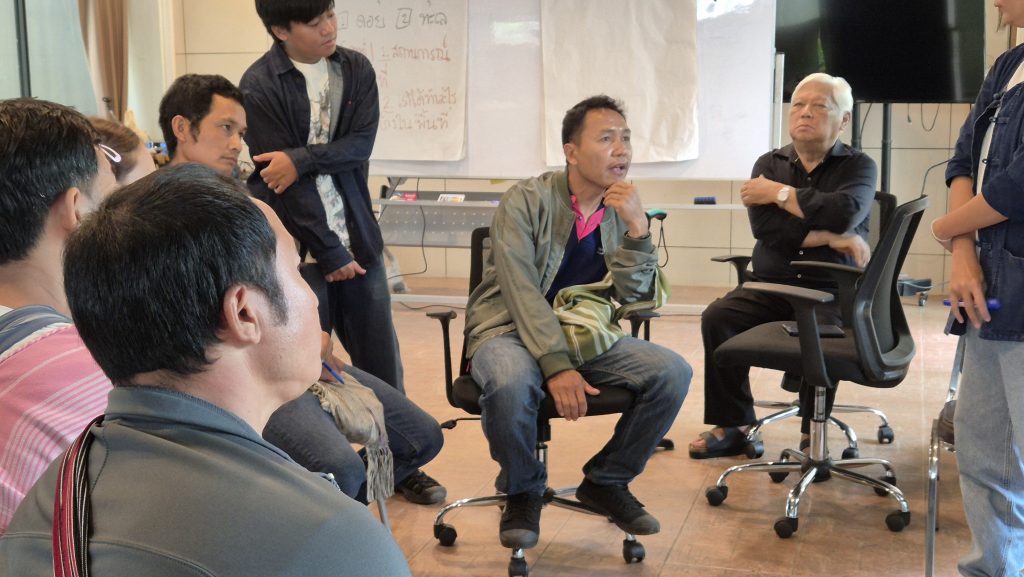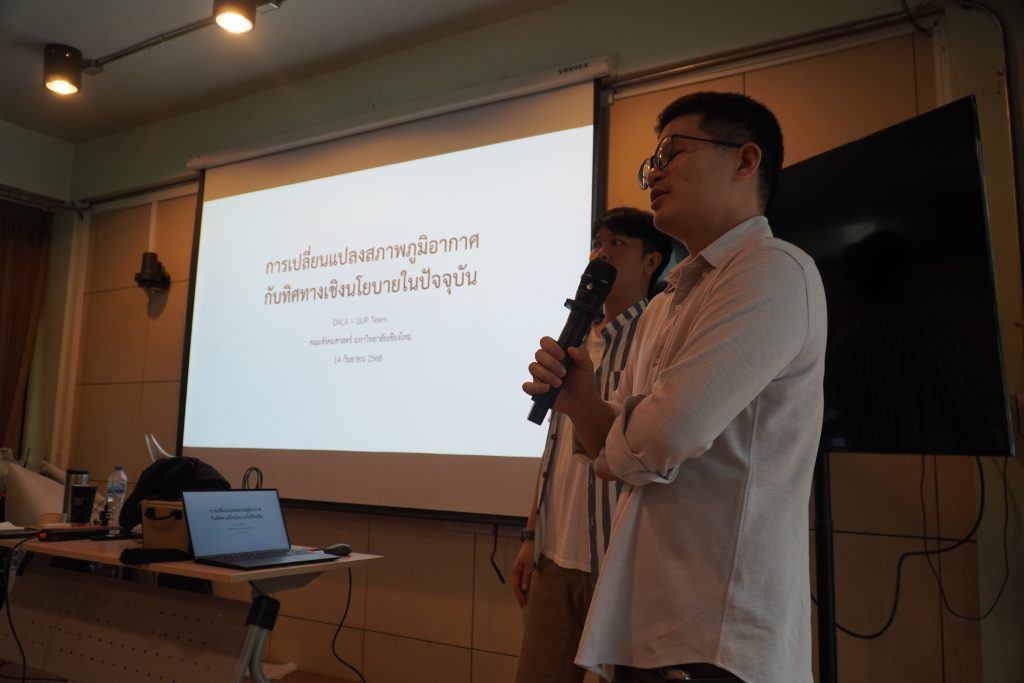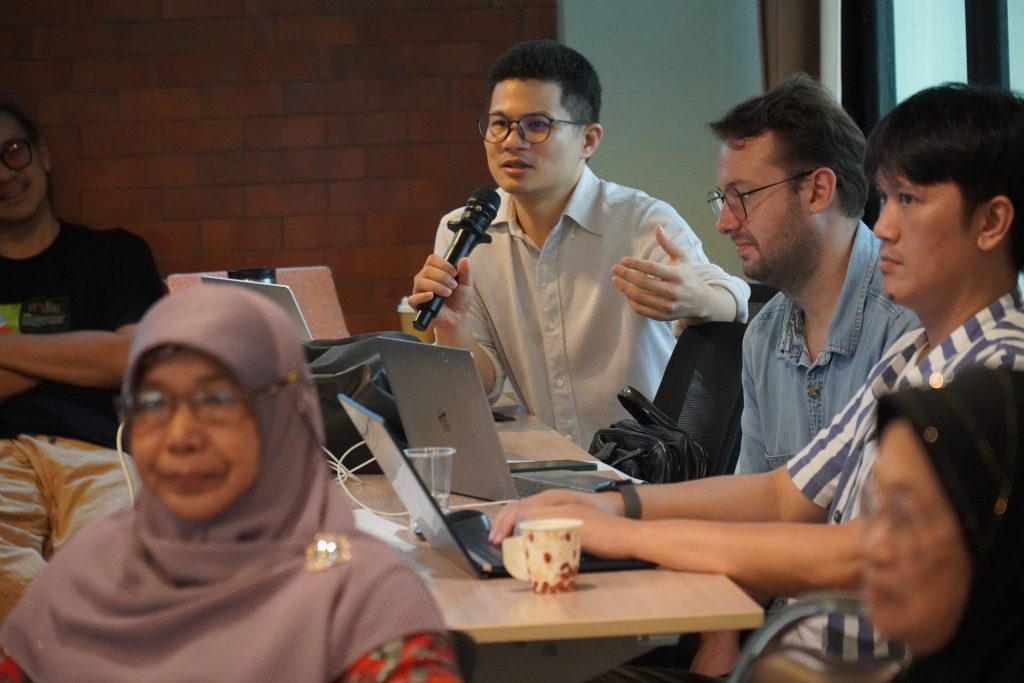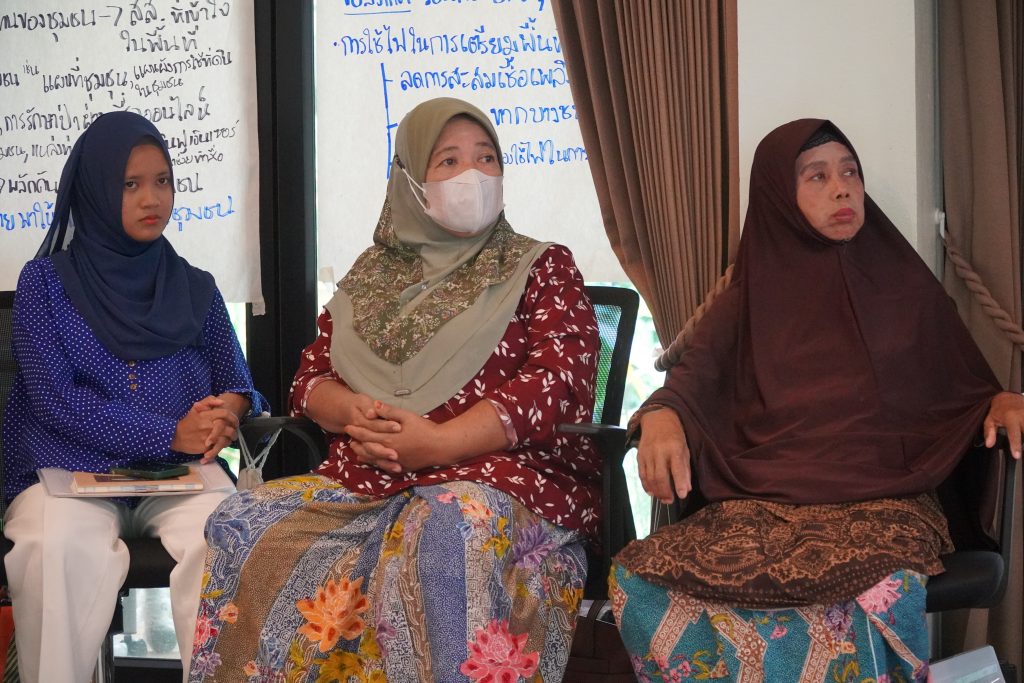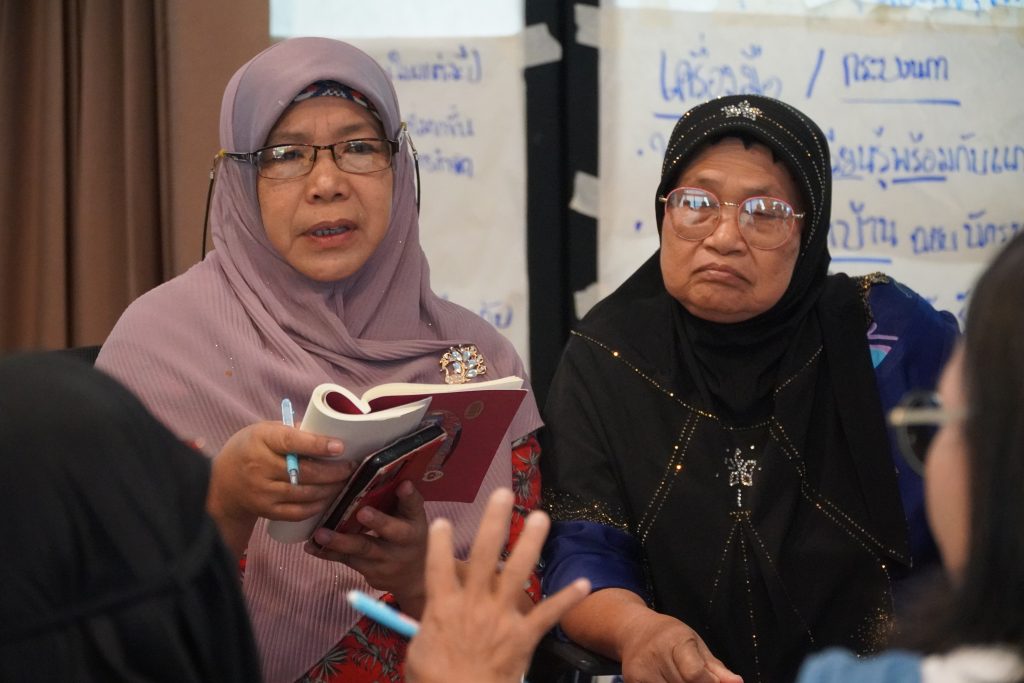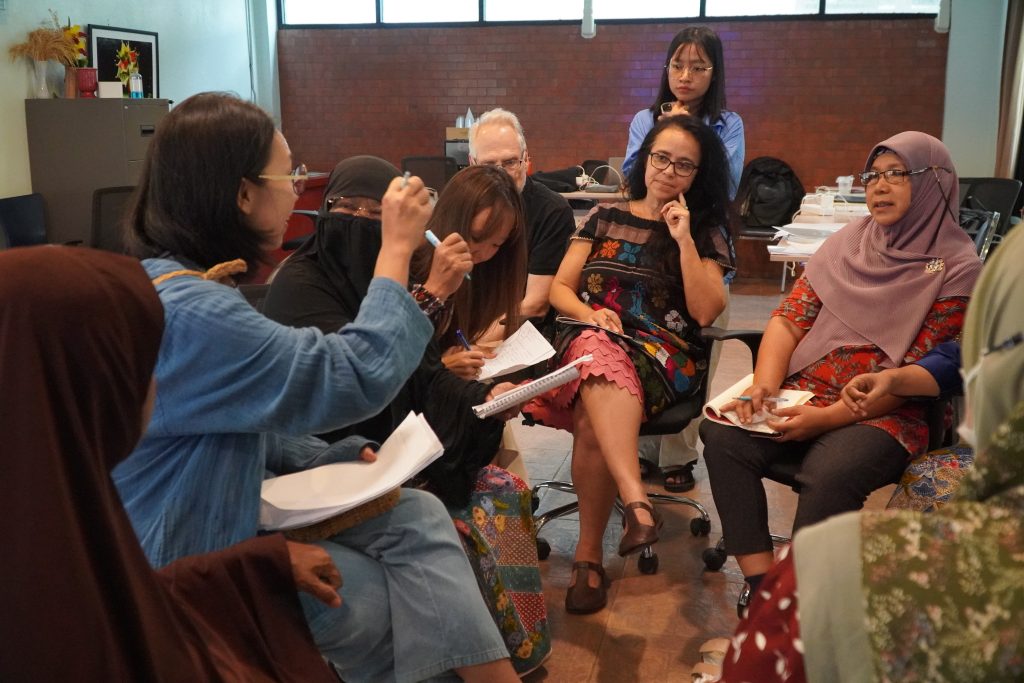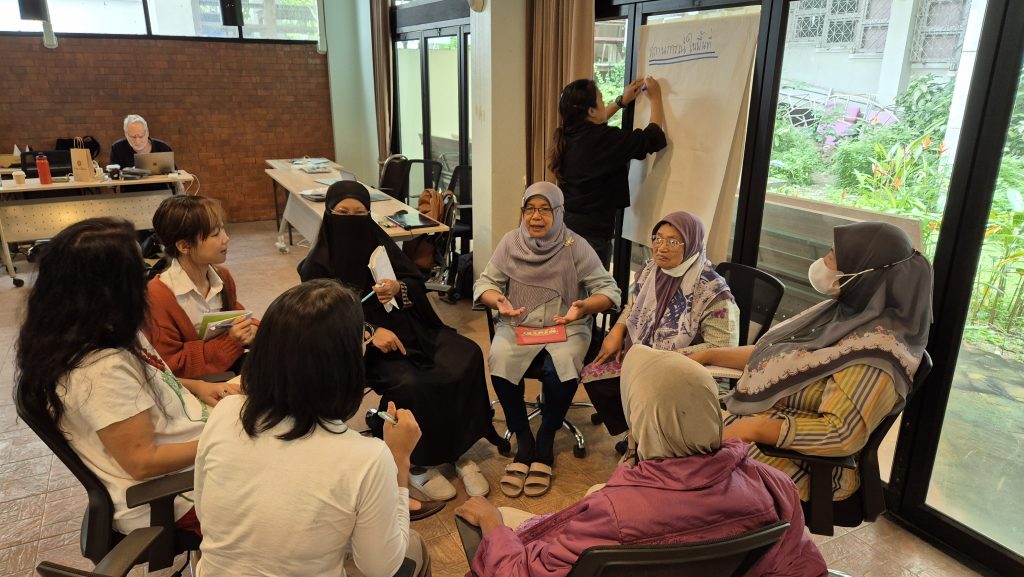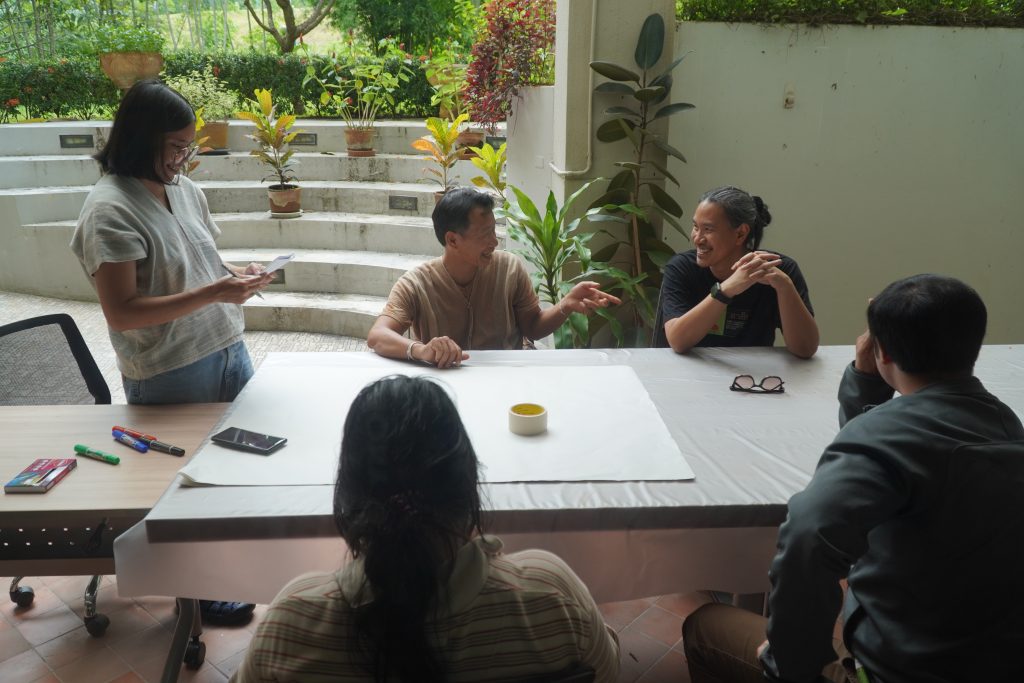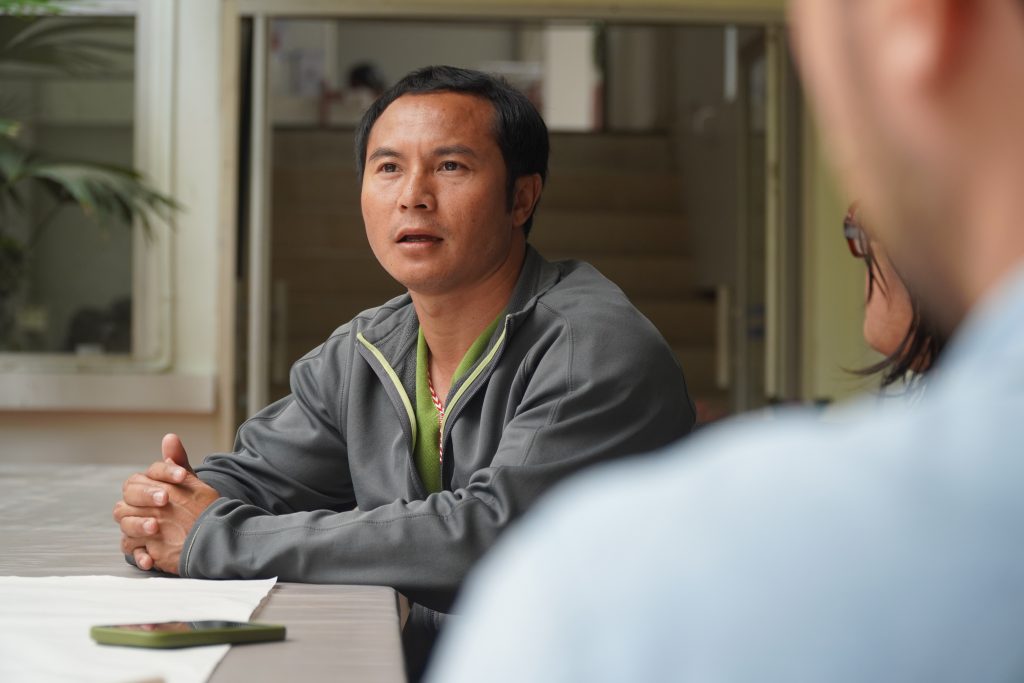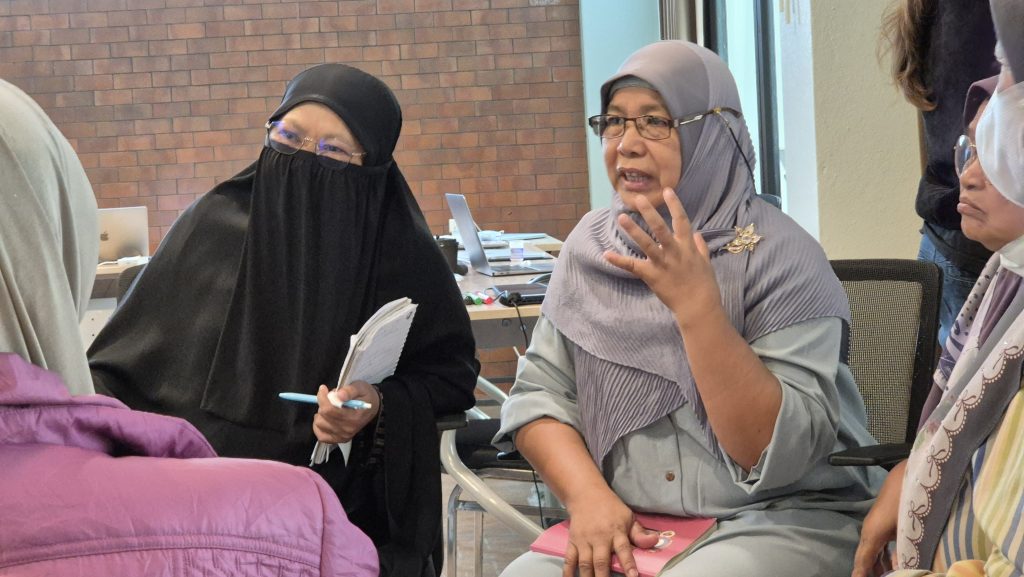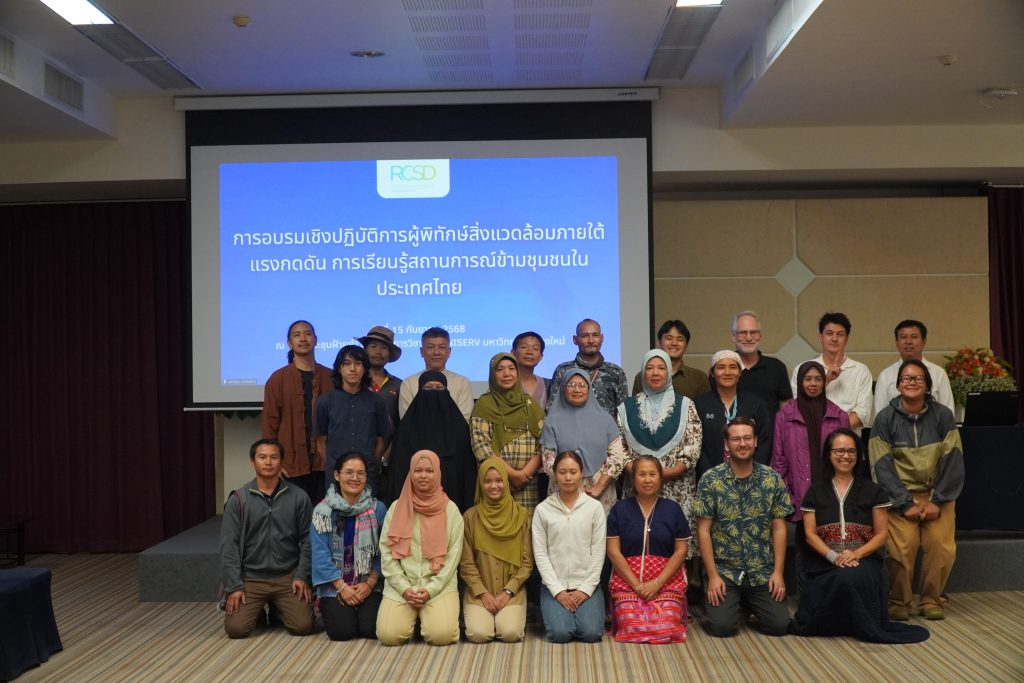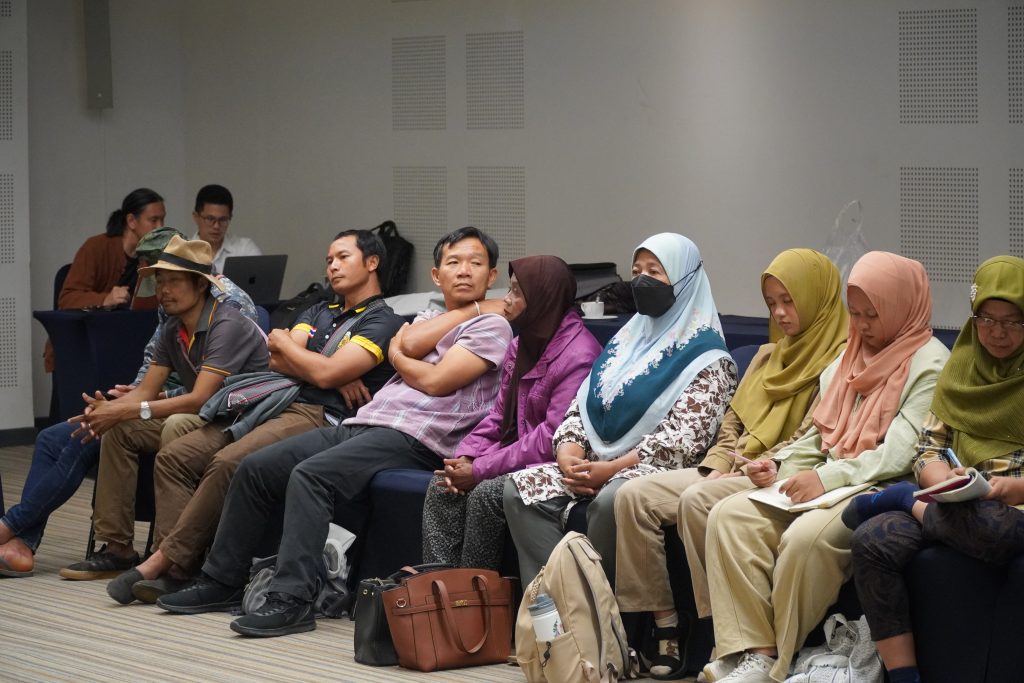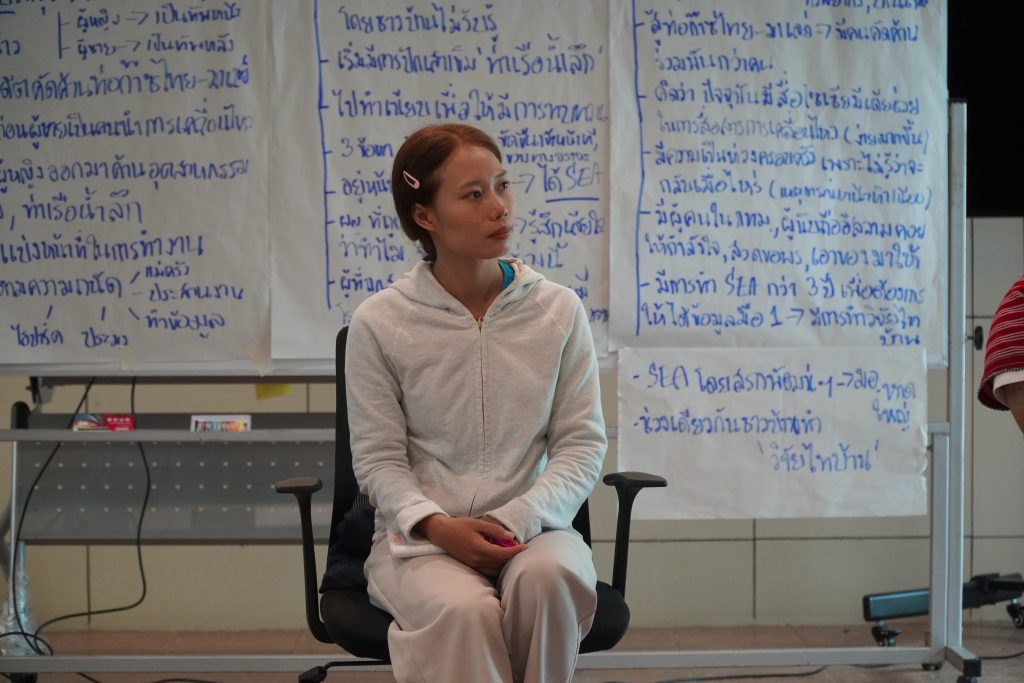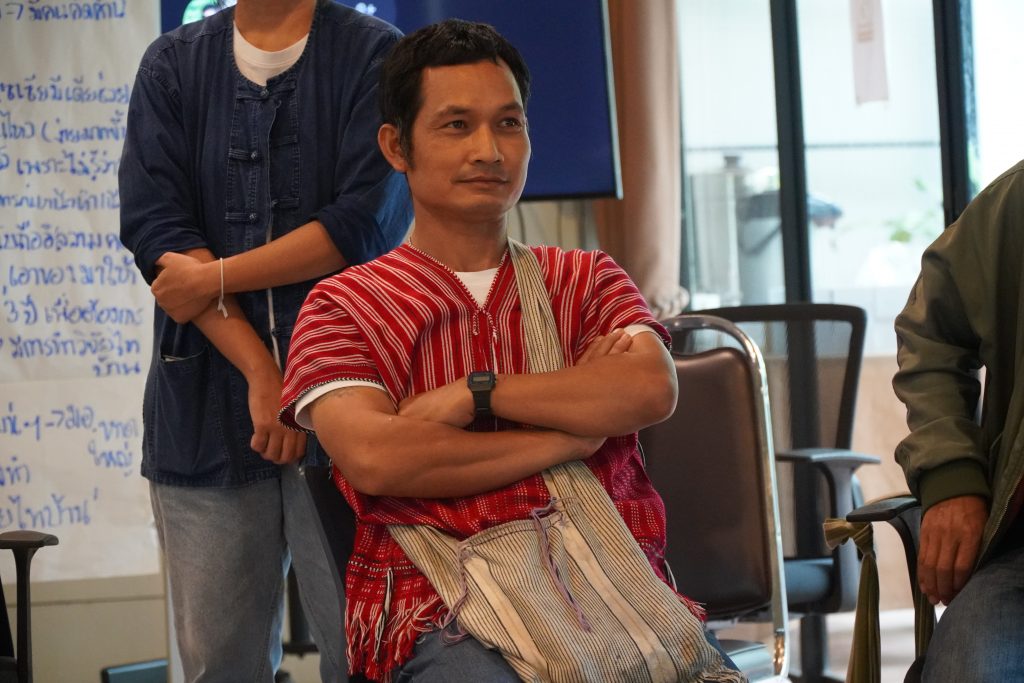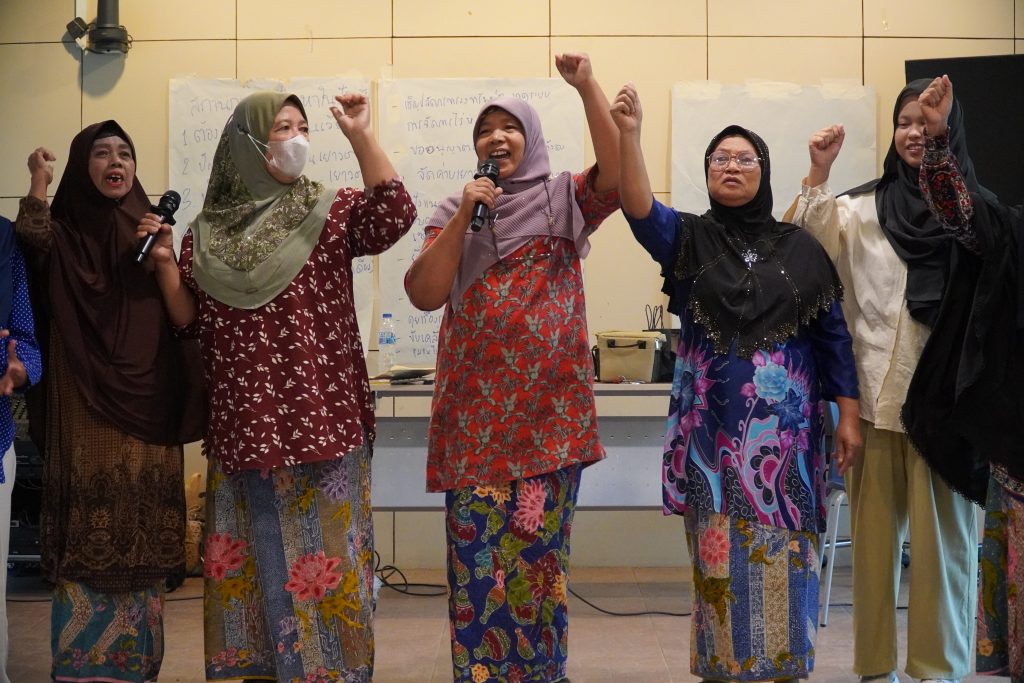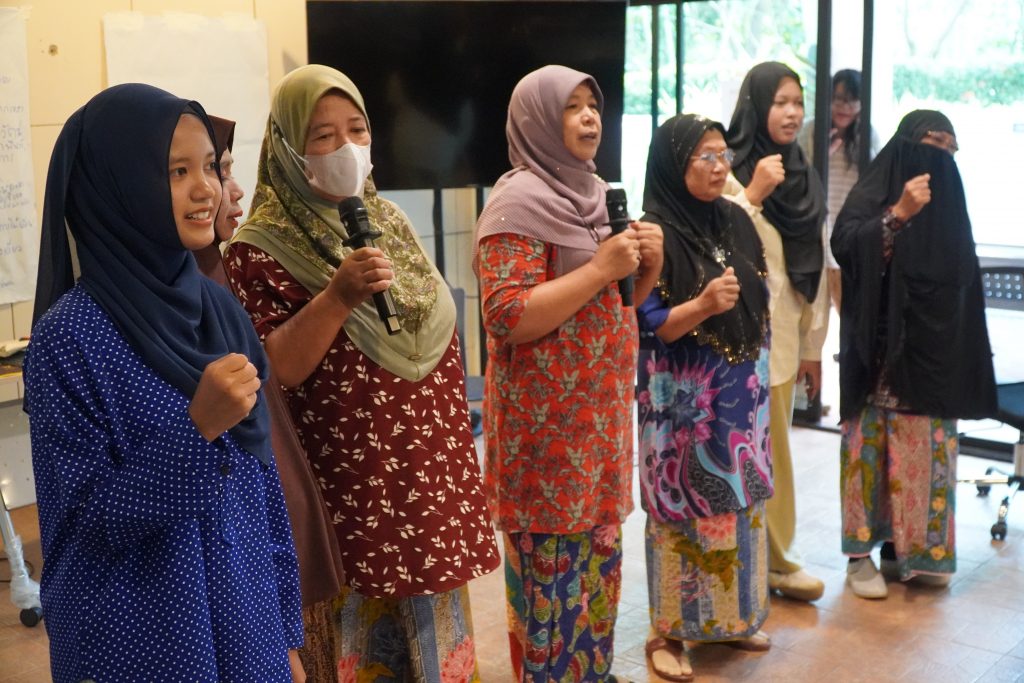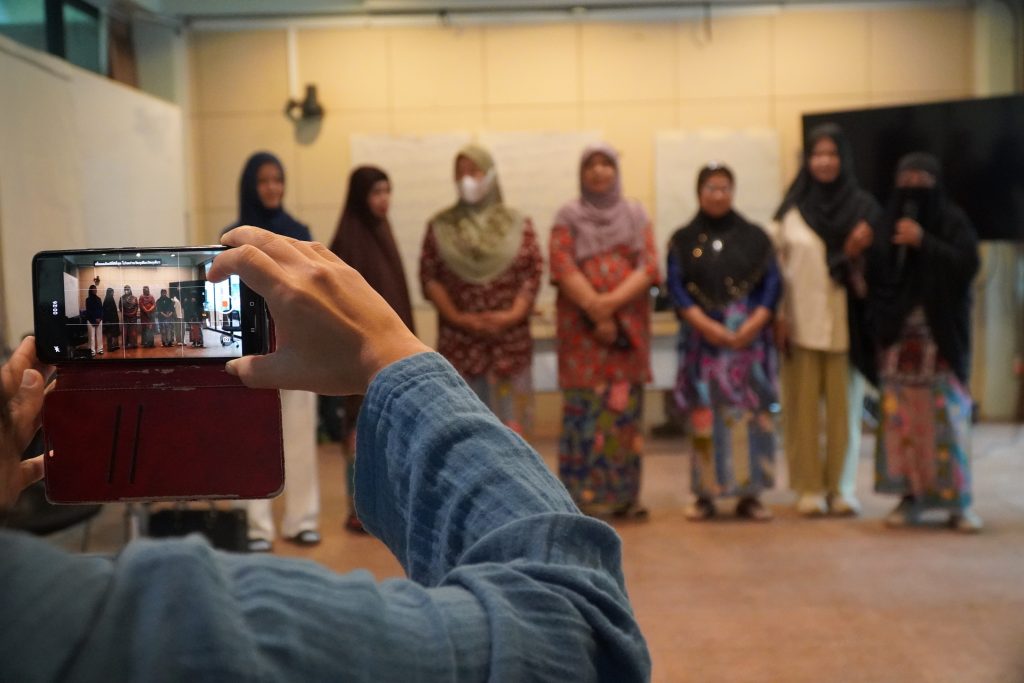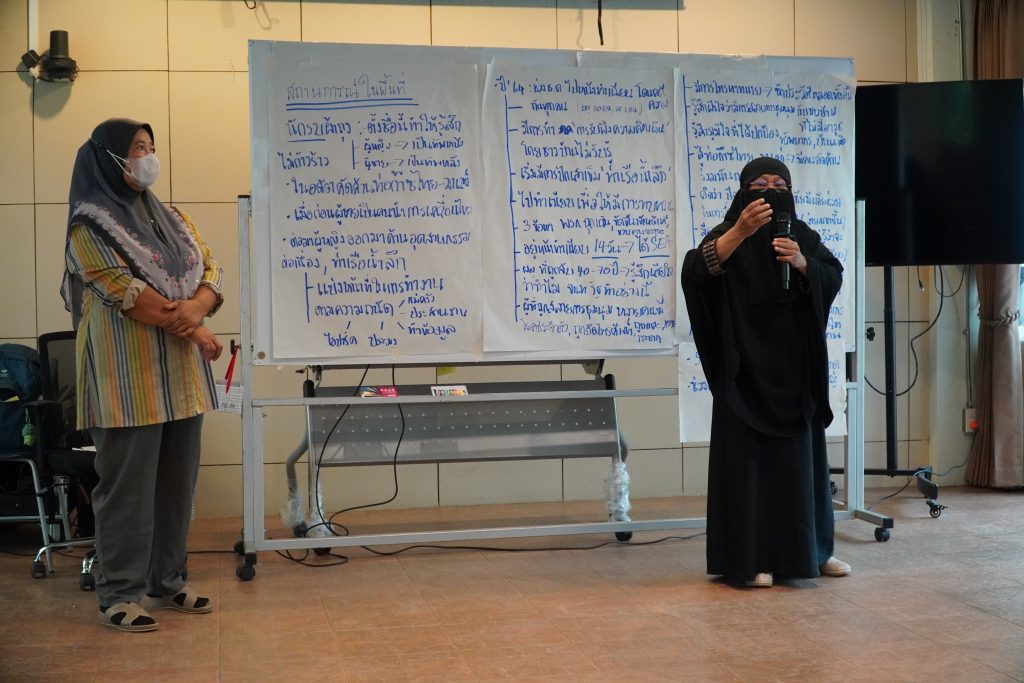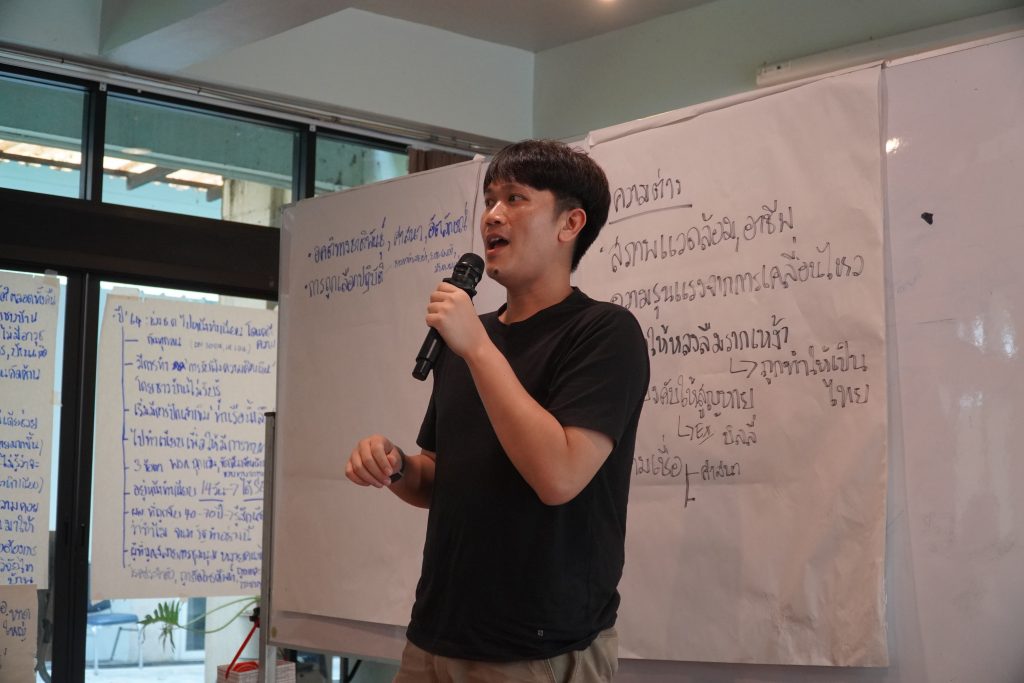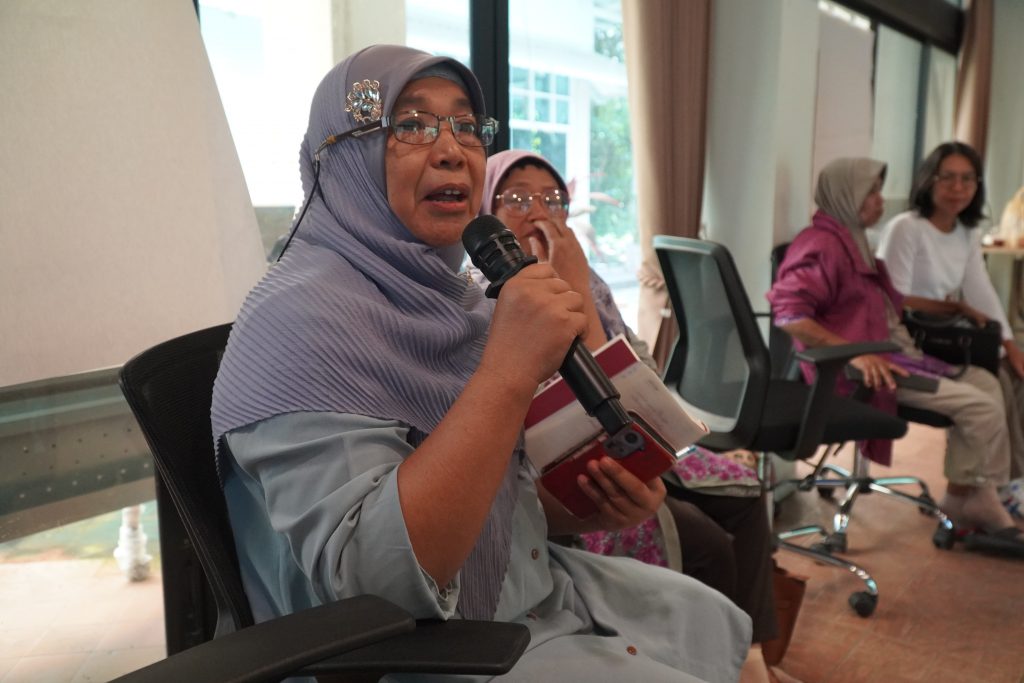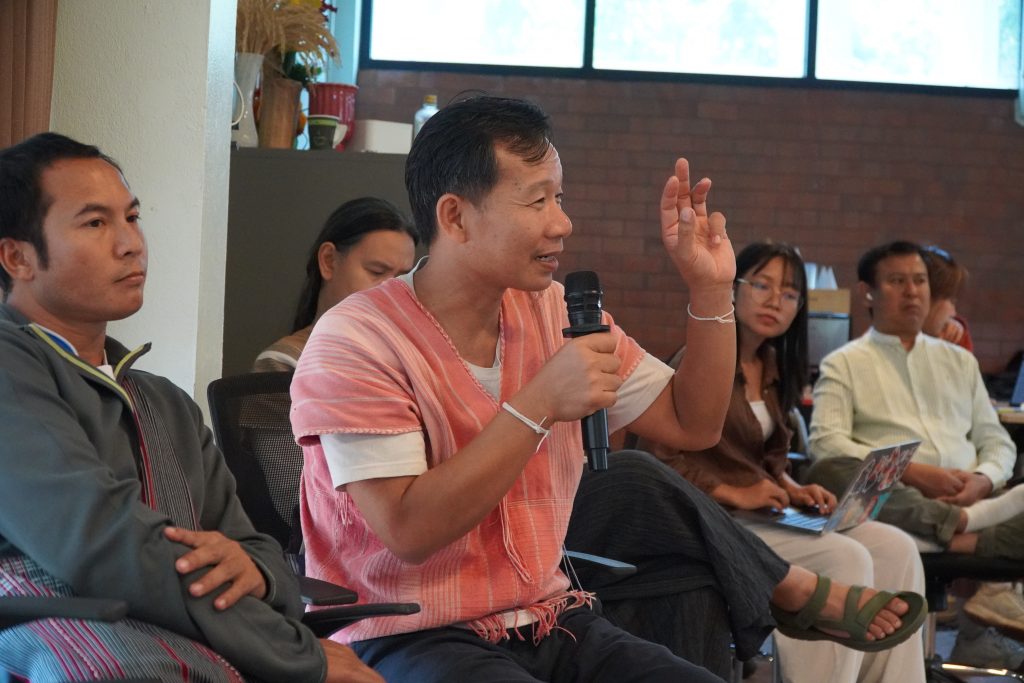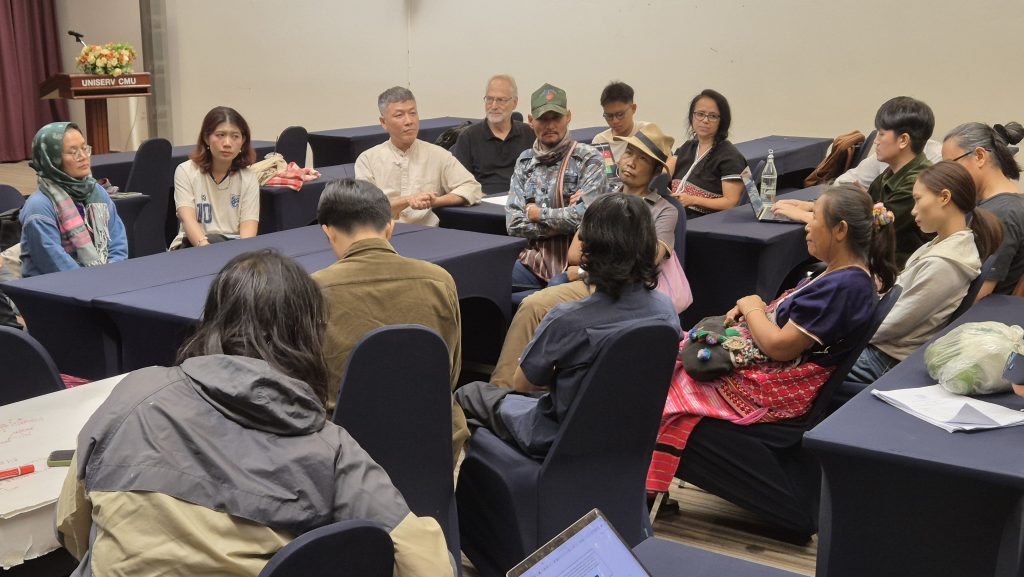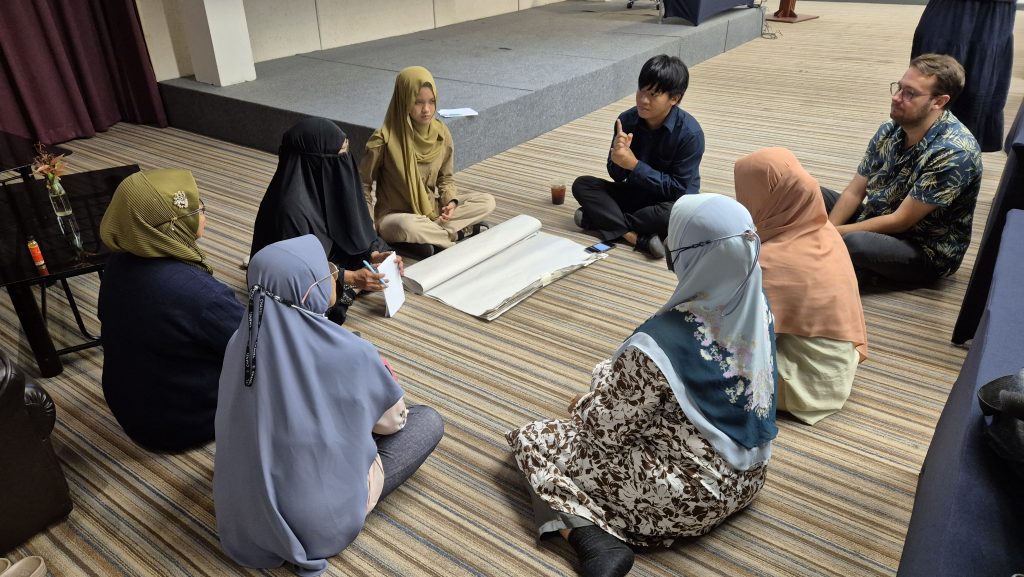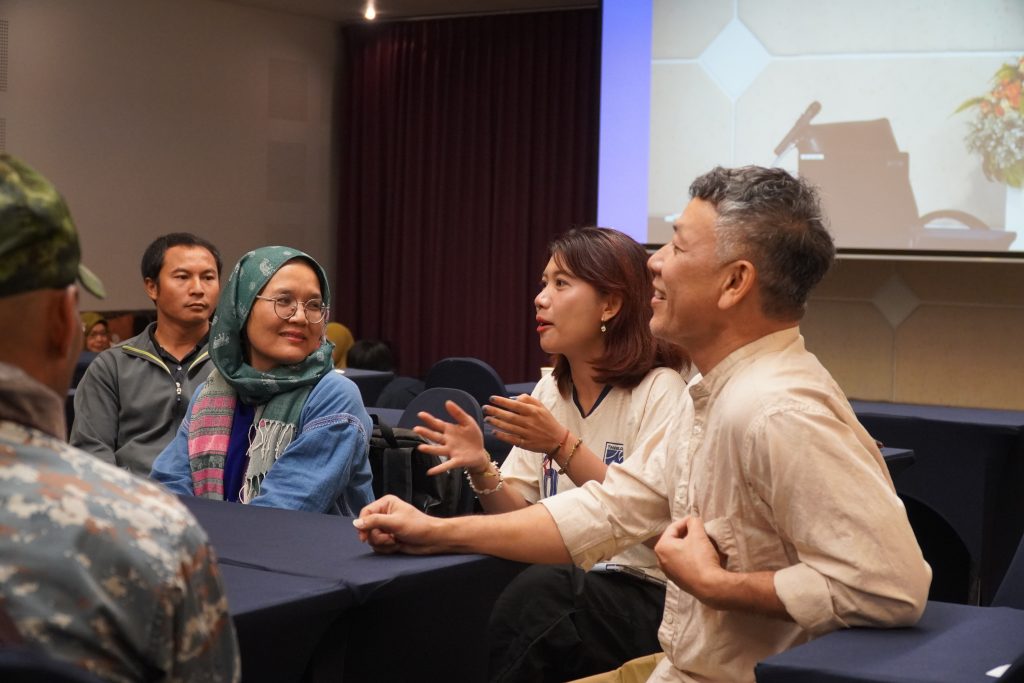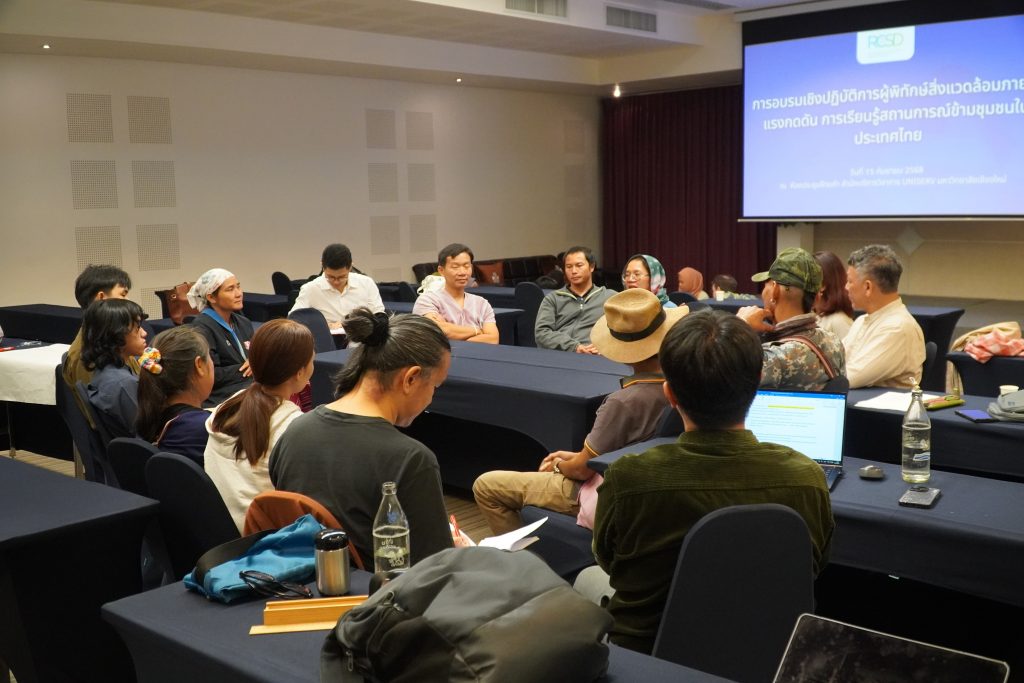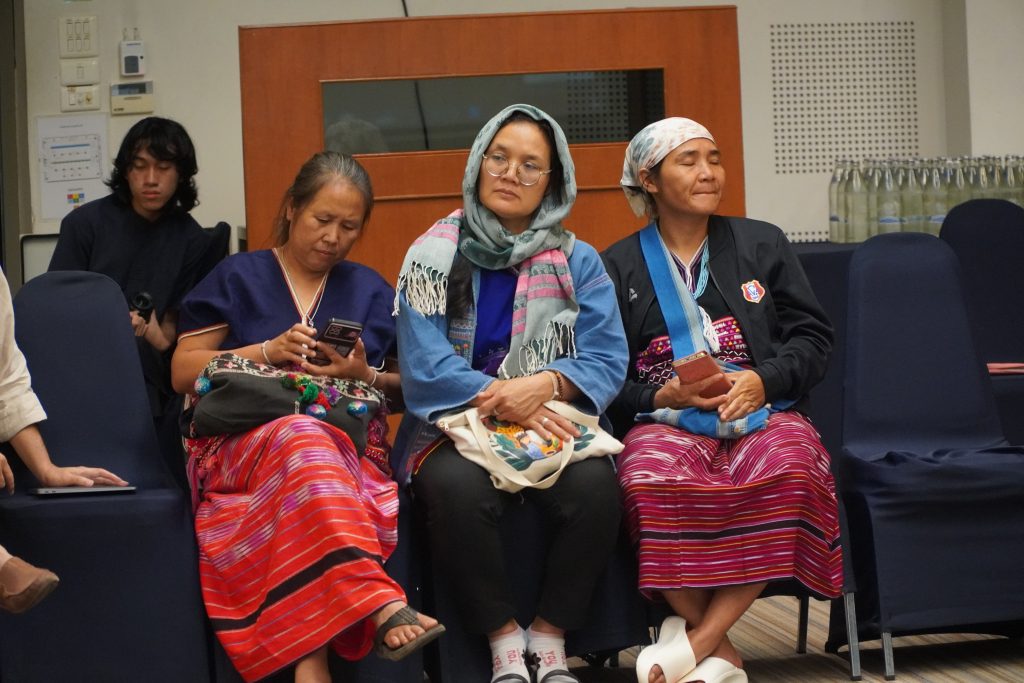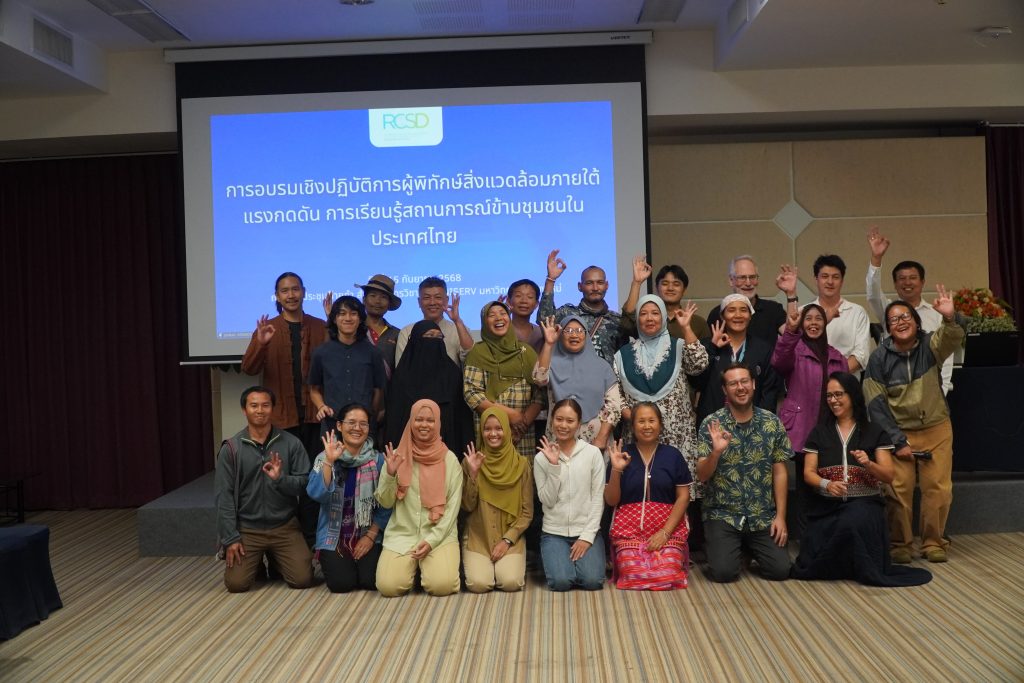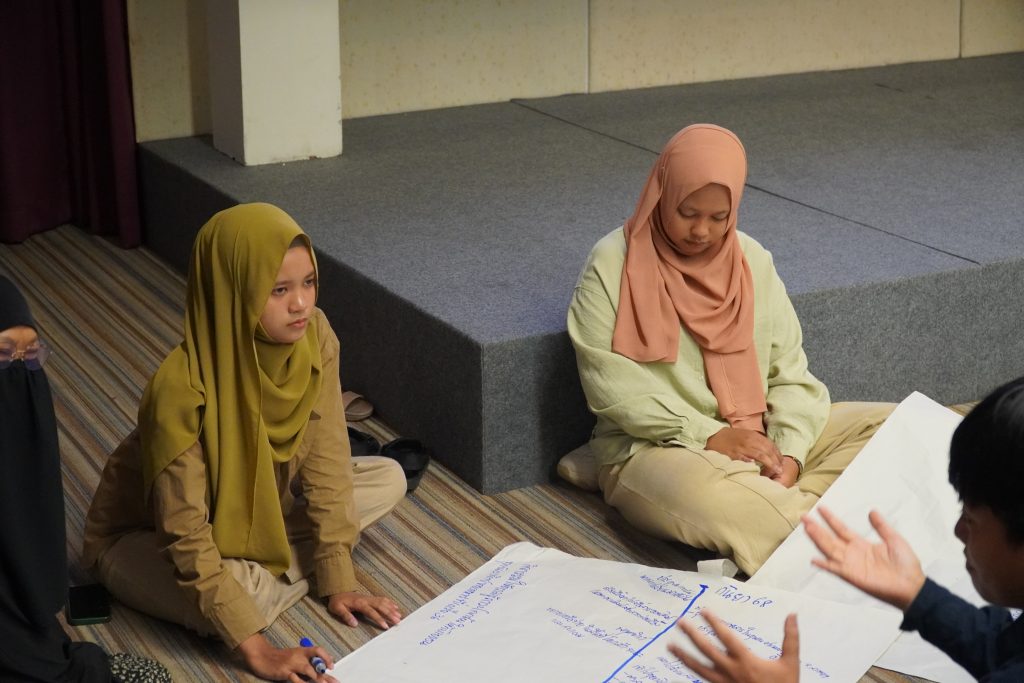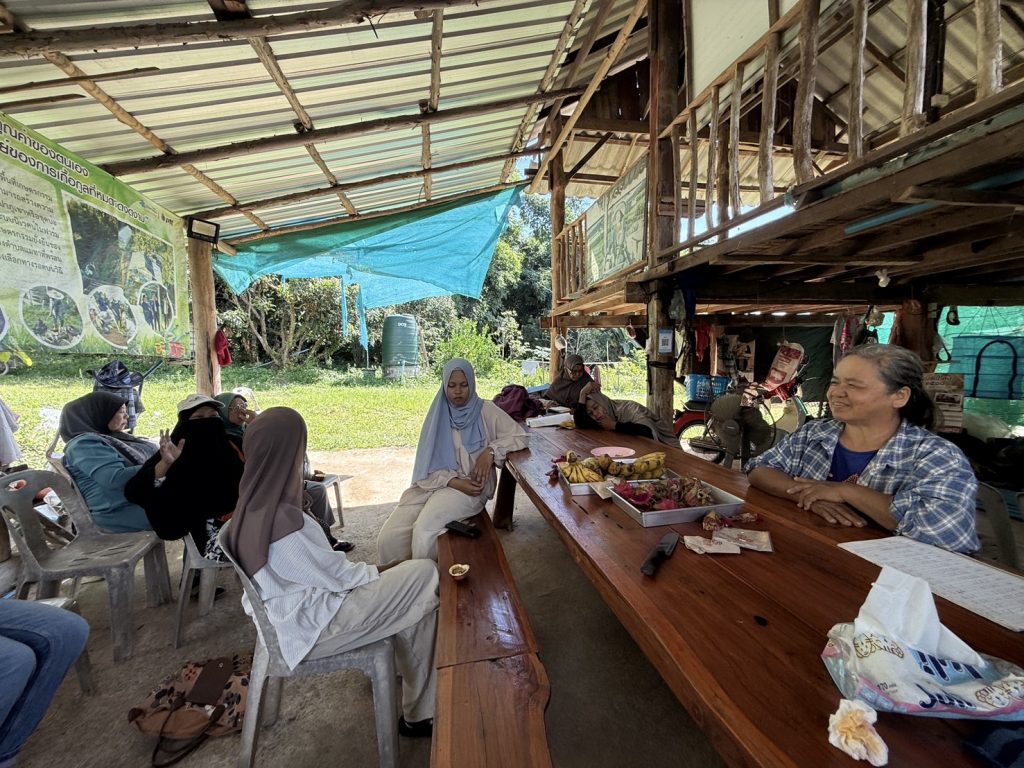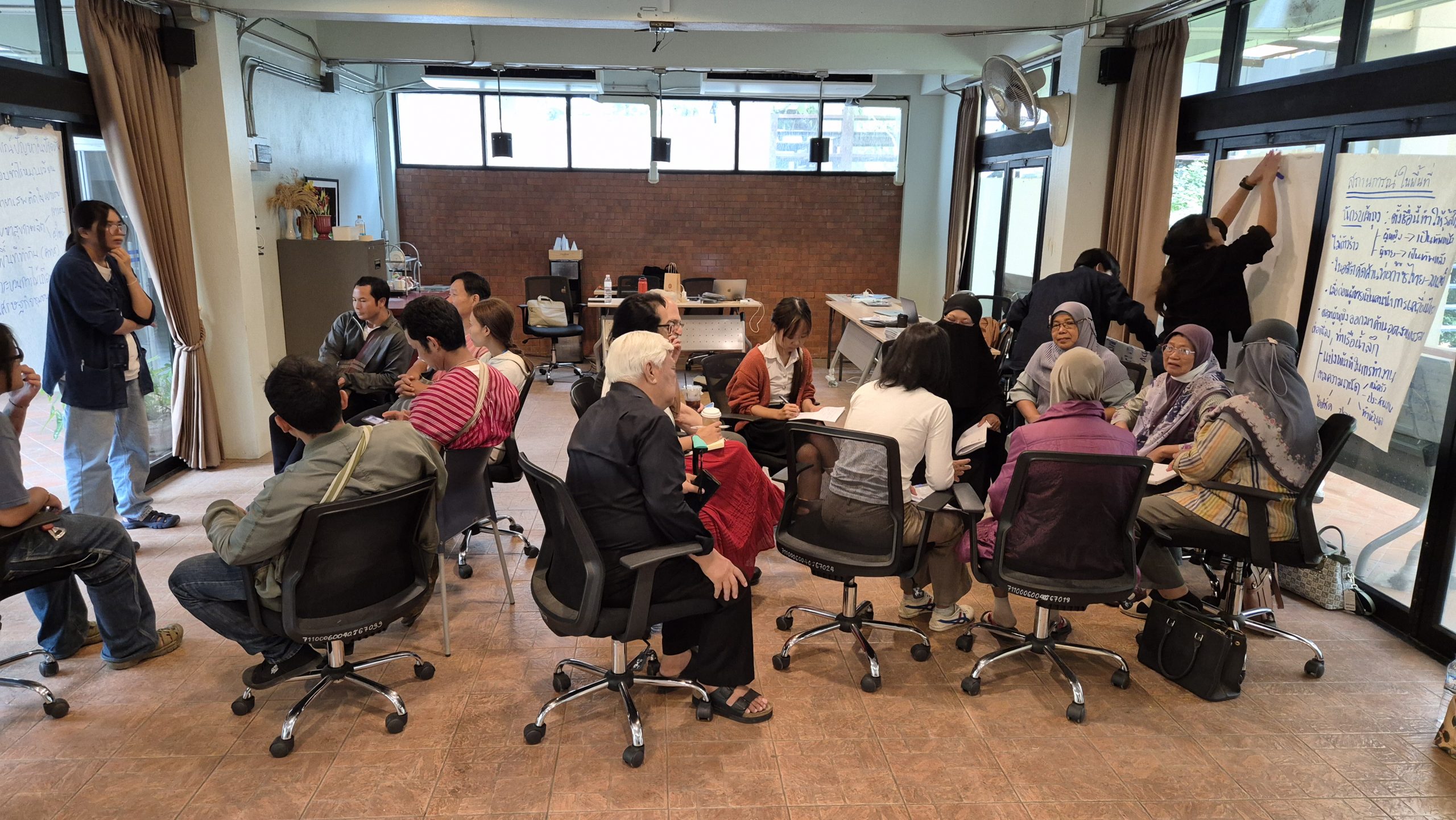
From 13 to 15 September, representatives from multiple communities across Thailand came together in Chiang Mai for a workshop and chance to exchange ideas, experiences, and strategies as “Guardians Under Pressure,” communities living and working under threats to their environment, livelihoods, and ways of life and local cultures. Through the generous support of IDRC and the Dala Institute under the project “Guardians under pressure: Southeast Asian Indigenous environmental defenders and civic spaces,” community members from multiple highland communities of northern Thailand, the coastal fishing community of Sakom in Songkhla province, the research team of academics at Chiang Mai University, and other researchers and activists came together for three days of discussion, lectures, and activities to build new knowledge and foster new networks.
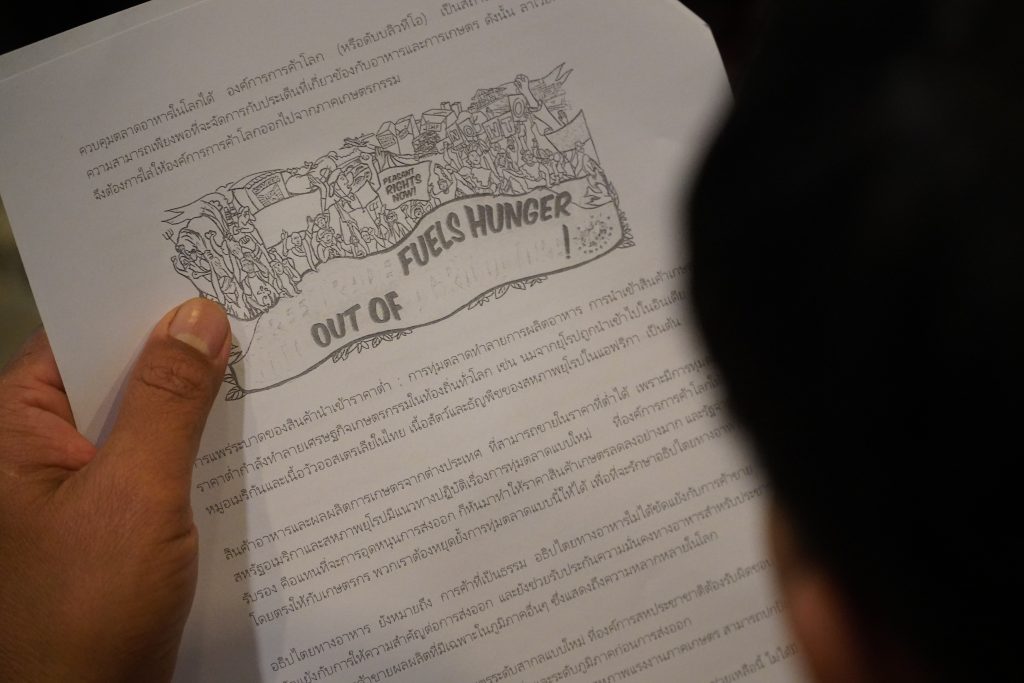
With a wide and diverse range of local cultures, languages, livelihoods, and environments, local communities discussed how they have been and are striving to maintain their ways of life in meaning, sustainable and inheritable ways. People shared their experiences with protest, political advocacy, preserving traditional knowledge and building new knowledge through community-led research and data-gathering initiatives, along with new threats from national, government-led initiatives like carbon credit projects, land reform schemes, or the development of large scale special economic and industrial zones. Participants also had the opportunity to learn about food sovereignty with Peter Rosset, a leading scholar on agroecology who has worked with agricultural communities throughout Latin America and is the co-coordinator of the Land Research Action Network.
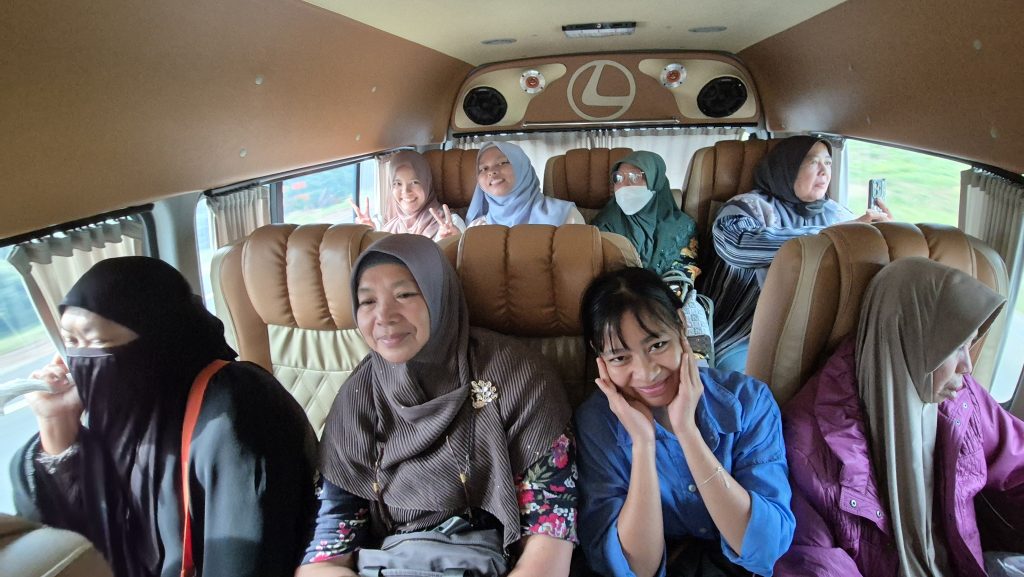
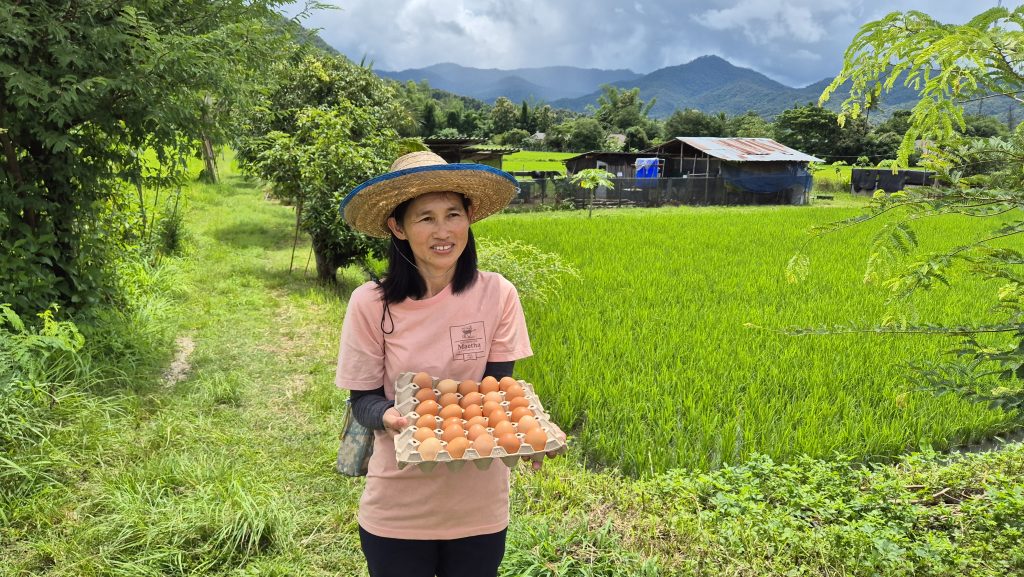
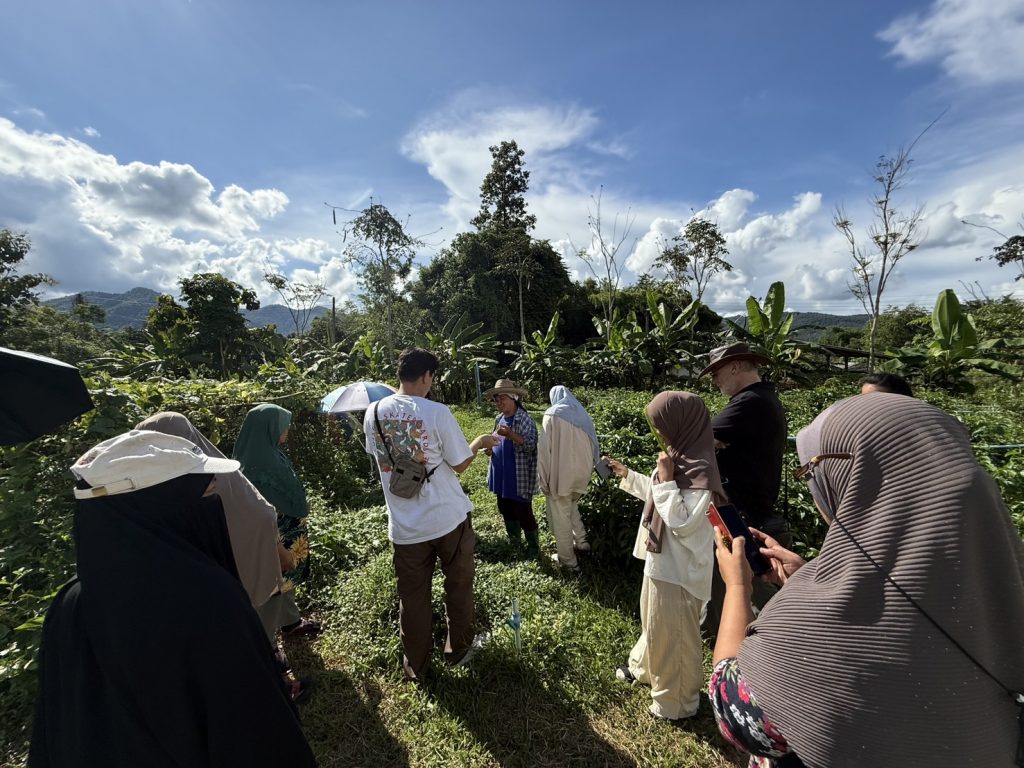
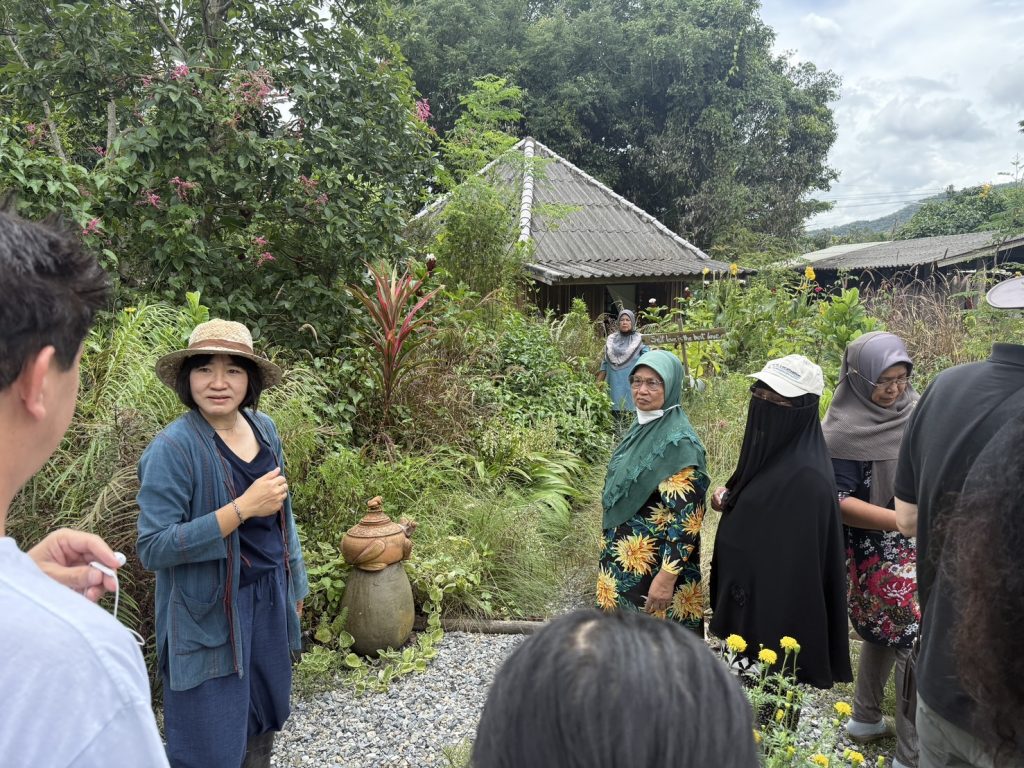
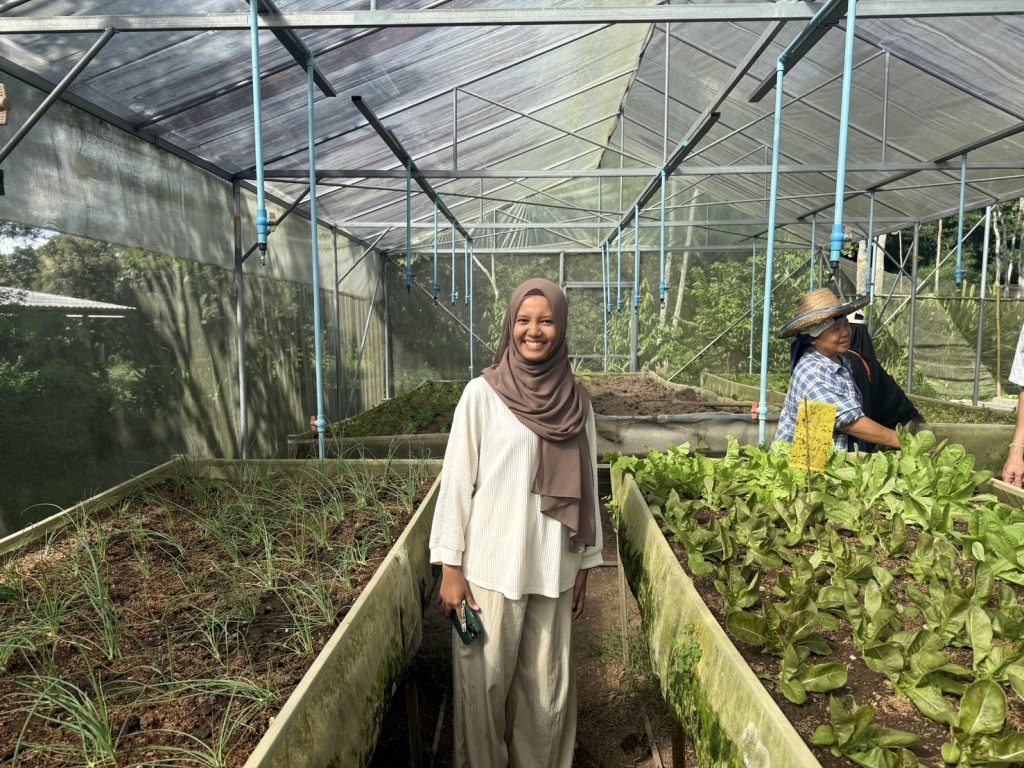
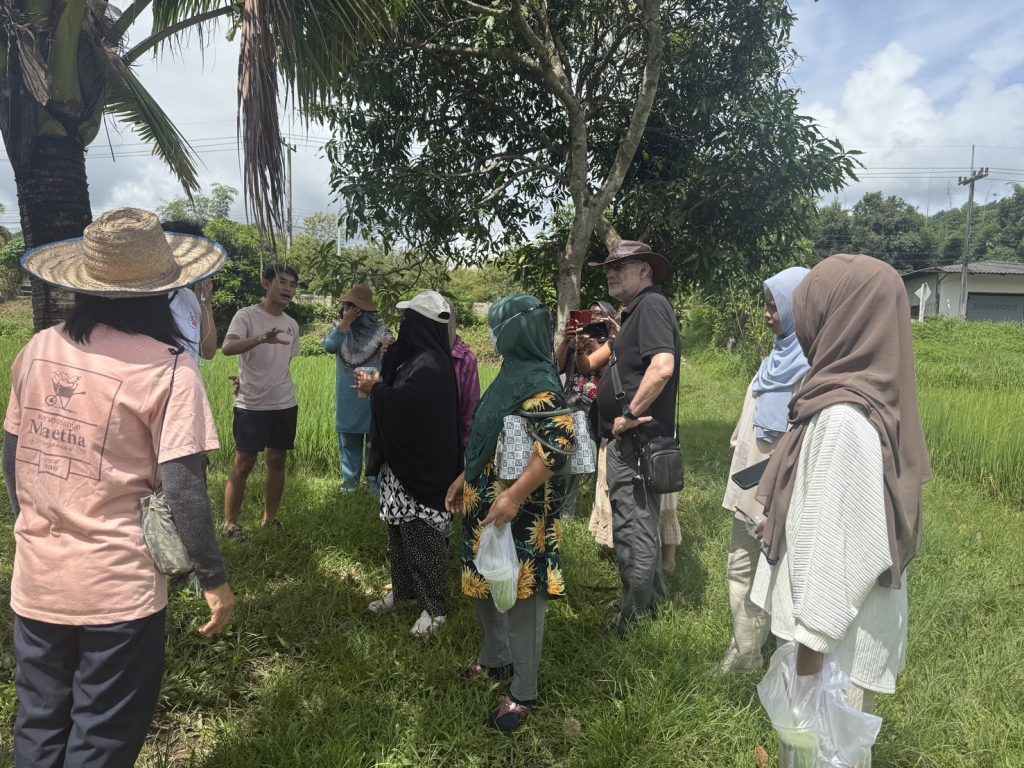
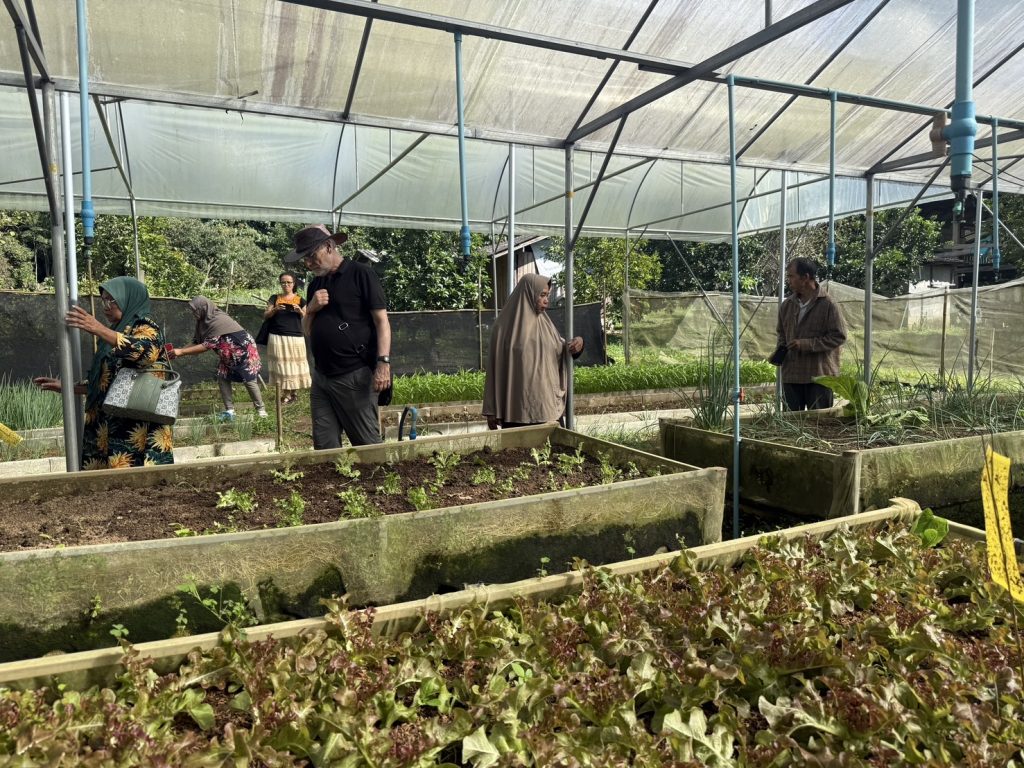
The Sakom community took the opportunity to visit a village in-person while in northern Thailand, traveling to see Mae Tha in Chiang Mai. The seafaring, fishing community from the south was intereseted to see how the Mae Tha community has evolved from its past of political advocacy and struggle around issues of land and the legacy of state forest management (teak, trains, and tobacco) to a new generation that is focused on creating new livelihoods through organic agriculture, agro-tourism, and community-led finance and agricultural development initiatives.